
Technical publication
Back to publications
Industrial applications
Hydrodynamic Cavitation for Wastewater Processing
okozyuk.com
Published
Read complete publication for whole-document Find and printing. Browser Find and native printing on this reader include only loaded content.
6 Remediation and Disinfection
6.1 Mechanical and Chemical Inactivation
Microbial inactivation by HC can proceed through mechanical and chemical pathways. Mechanical damage includes stretching and rupture caused by pressure oscillations, turbulent eddies, shear, shock waves, and microjets. Chemical damage includes oxidation of membranes, proteins, and nucleic acids by radicals or added oxidants. The relative contribution of these mechanisms depends on bubble size, collapse frequency, organism size and structure, and water chemistry [17,39-42].
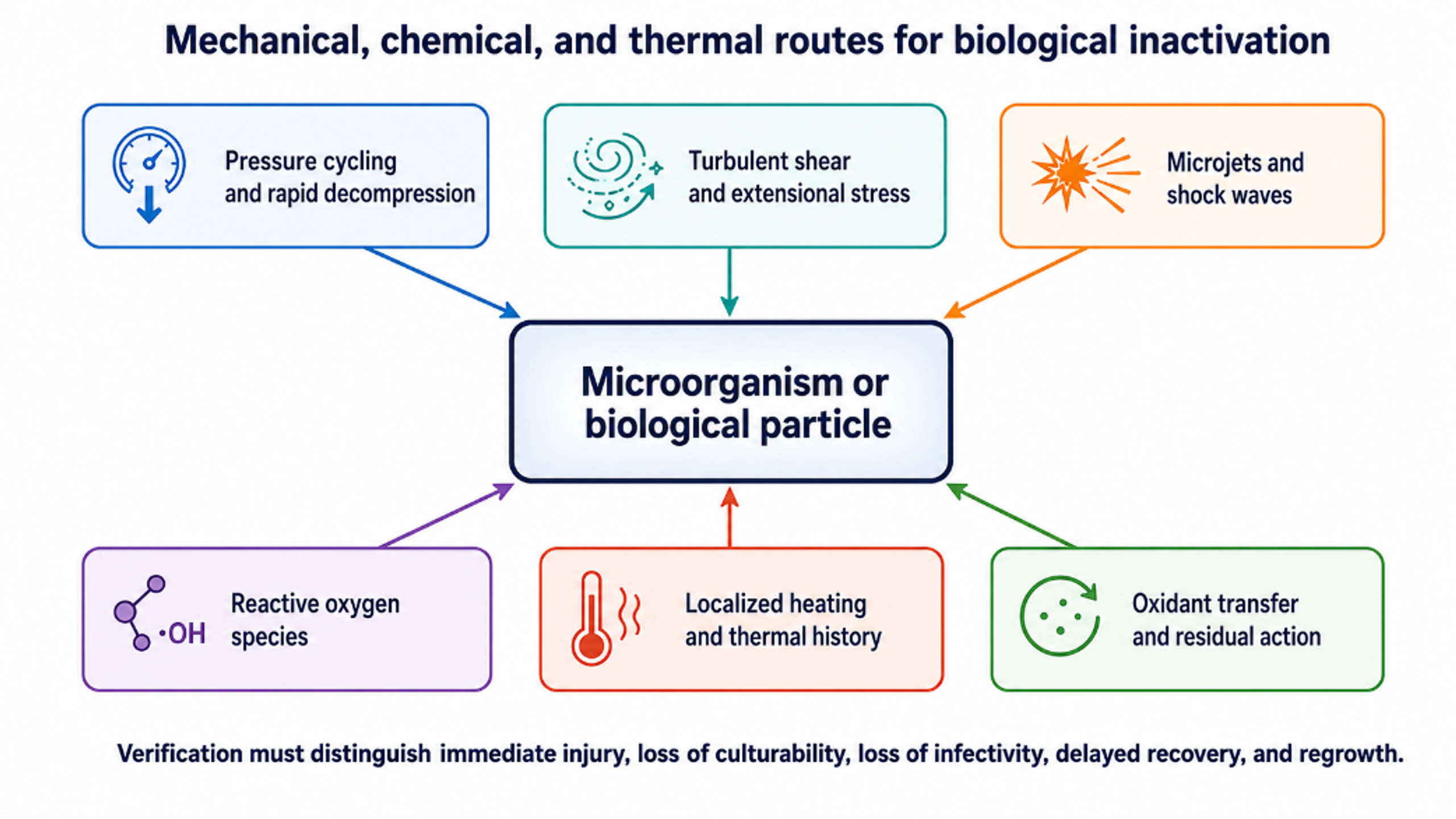
Figure 6.1. Mechanical, chemical, and thermal pathways that contribute to microbial inactivation by hydrodynamic cavitation [11].
Logarithmic reduction value is a useful biological metric and can be calculated using Equation (6.1):
N₀ and Nt are the initial and treated viable concentrations, respectively. For disinfectant assisted processes, the empirical Chick Watson relation in Equation (6.2) may be used to describe exposure:
CW is disinfectant concentration, n is an empirical exponent, and k is an inactivation constant. HC can alter the apparent value of k by improving micromixing, damaging protective structures, and renewing the cell liquid interface. The relation should not be extrapolated beyond the tested range because oxidant demand and organism susceptibility can change during treatment.
6.2 Jet Generated Cavitation and E. coli
Kalumuck et al. used submerged cavitating jets to oxidize contaminants and inactivate microorganisms. Their designs employed passive acoustic excitation, bluff bodies, or swirl to intensify cavitation at moderate pump pressure. The study reported multiple orders of magnitude reduction in E. coli and substantially greater energy efficiency than the compared ultrasonic configuration [17]. The authors also observed a pressure tradeoff: higher jet pressure accelerated treatment, whereas lower pressure could remove more contaminant per unit hydraulic energy.
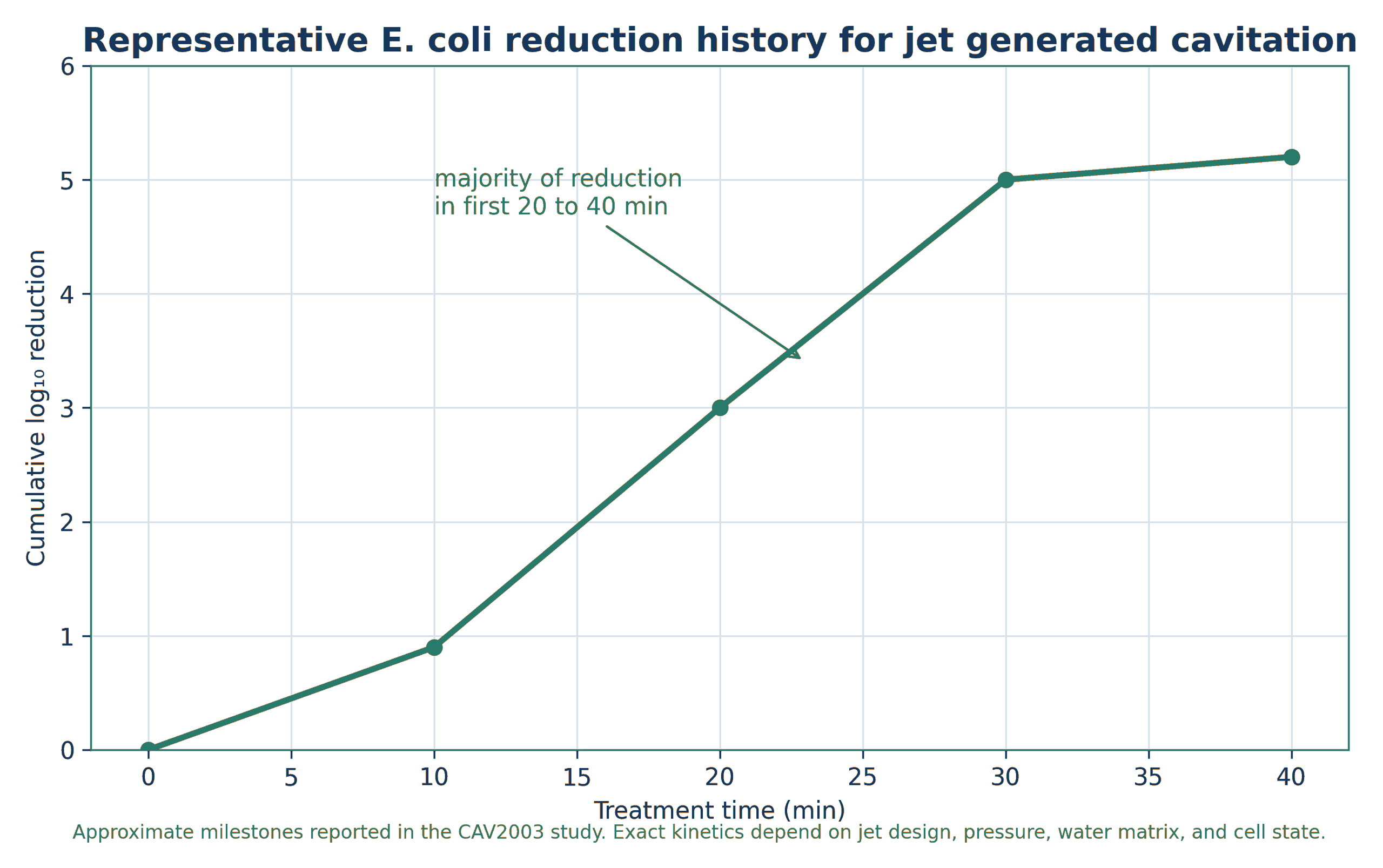
Figure 6.2. Representative E. coli reduction history for jet generated cavitation [17].
6.3 Bacteria, Viruses, Algae, and Zooplankton
Jyoti and Pandit described HC as an energy efficient physical disinfection method relative to several nonchemical alternatives and showed that combining cavitation with hydrogen peroxide, ozone, or other treatments could increase inactivation rate [40,41,64]. Arrojo, Benito, and Martínez Tarifa compared chamber geometries and concluded that, under their conditions, hydrodynamic disinfection was strongly associated with mechanical disruption, particularly in configurations that promoted large bubbles and extended pressure oscillations [42]. Van der Walt et al. evaluated HC, ultraviolet radiation, and ultrasound individually and in combination. In filtered water, the combined treatment produced average reductions above 90% for standard plate counts, total coliforms, fecal coliforms, and bacteriophages, whereas average Clostridium reduction was about 79%. These results are study specific but demonstrate the value of complementary mechanisms and endpoint specific verification [73].
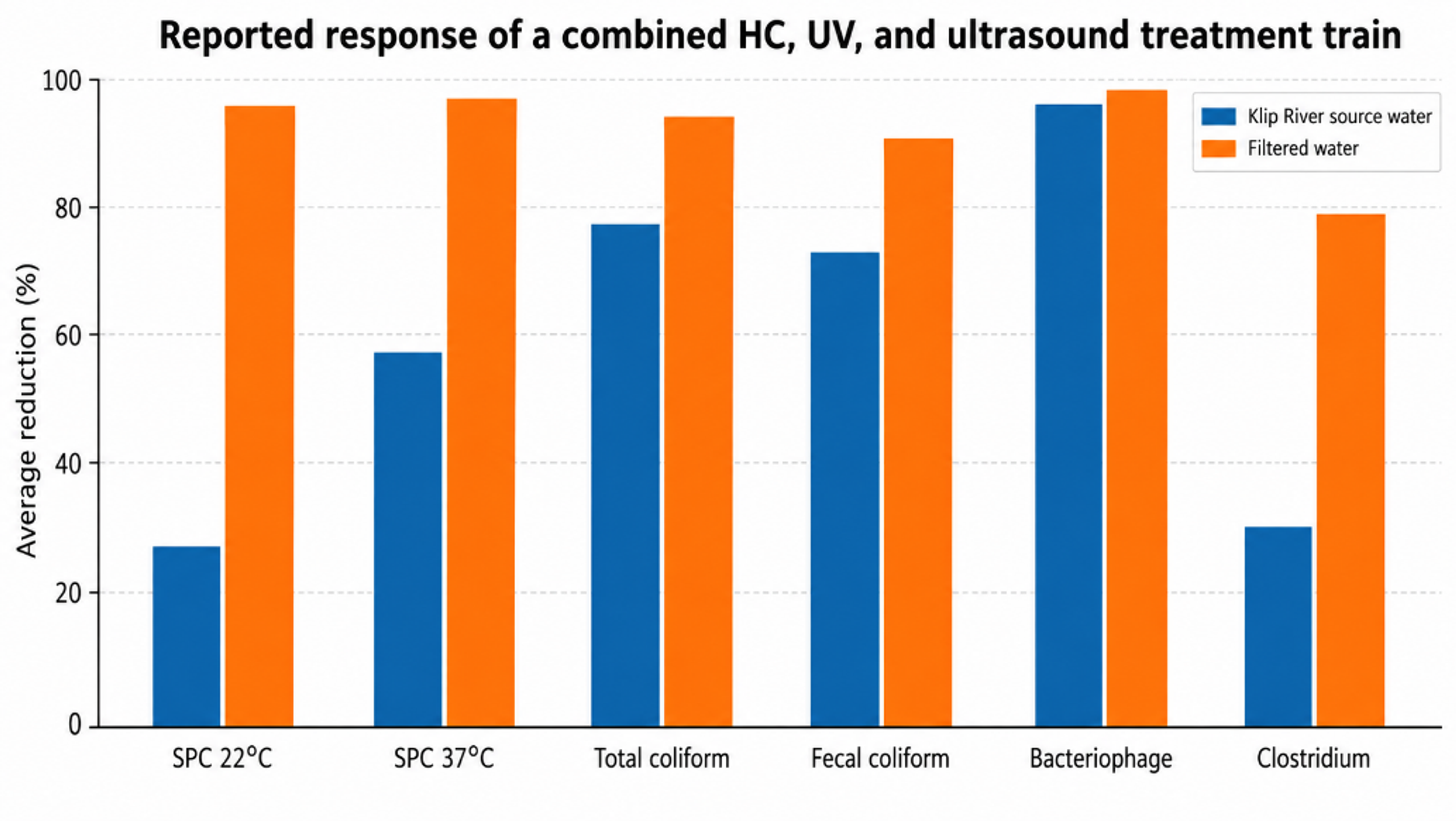
Figure 6.3. Average microbial reductions reported for a combined hydrodynamic cavitation, ultraviolet, and ultrasound treatment system [73].
Sawant et al. studied zooplankton in seawater and developed a framework relating turbulent shear and cavity dynamics to organism damage [39]. The relatively large size and fragile structures of many zooplankton make them responsive to mechanical events, but complete ballast treatment also requires control of smaller microorganisms and regrowth. Dular et al. later demonstrated that different cavitation regimes should be selected for different biological targets. In their study, supercavitation was effective for Legionella inactivation, whereas toxic cyanobacteria, green microalgae, and rotavirus exhibited different sensitivities [4].
Reductions in culture count, RNA signal, membrane integrity, and metabolic activity do not represent identical biological endpoints. A robust protocol should distinguish immediate injury, loss of culturability, loss of infectivity, delayed recovery, and regrowth. Controls should account for pump shear, temperature, sampling, and holding time. For reuse and ballast applications, treated water should be evaluated through the relevant storage period.
Table 6.1. Representative biological targets and dominant HC considerations.
| Target | Likely dominant response | Recommended verification |
|---|---|---|
| Vegetative bacteria | Mechanical membrane damage plus oxidative stress | Culture, membrane integrity, delayed regrowth, residual disinfectant |
| Spores or resistant bacteria | Higher mechanical and chemical resistance | Validated multi barrier treatment and long holding study |
| Viruses | Capsid and genome damage, often requiring repeated exposure or oxidant | Infectivity assay, not nucleic acid signal alone |
| Cyanobacteria and microalgae | Cell rupture, buoyancy change, pigment release, toxin release risk | Cell count, viability, dissolved toxin, downstream separation |
| Zooplankton and larvae | Shear, pressure oscillation, microjet and shock damage | Viable organism count by size class |
| Mixed natural water | Matrix dependent combination of effects | Standardized challenge organisms, real water trials, regrowth and ecotoxicity |
6.4 Rotational Cavitation and the Contribution of Bulk Heating
Sun et al. investigated an advanced rotational HC reactor containing a 260 mm rotor with cone shaped dimples and stationary front and rear covers with different dimple counts. A 15 kW motor operated the rotor at 2700 to 3600 rpm, while a separate pump controlled flow and inlet pressure. Repeated interaction between moving and stationary cavities produced strong local cavitation and substantial conversion of shaft power to heat [62].
The maximum reported heat generation rate was 48.15 MJ h⁻¹ and the maximum thermal efficiency was 82.18%. In the disinfection experiments, the authors identified bulk thermal exposure as the dominant factor. At approximately equal final temperatures near 65 °C after 14 minutes, rotational HC achieved complete plate count inactivation and an 8.3 log reduction, whereas conventional heating produced 24.14% inactivation and a 0.12 log reduction. The comparison indicates that thermal history and cavitational damage acted together in this reactor [62].
This result is reactor specific and should not be generalized to all HC devices. In a low pressure Venturi or jet reactor with active cooling, bulk temperature may remain too low to contribute materially. Conversely, an uncooled high power rotor can function as both a cavitation reactor and a rapid heater. Disinfection studies should therefore include a matched thermal control, a complete temperature time history, power measurement, and direct assessment of the nonthermal contribution.
6.5 Viability, Sublethal Injury, and Regrowth
Mezule et al. used a small rotor device to treat E. coli in a 2 L system. Three minutes of exposure at a reported energy density of 490 W L⁻¹ stopped division in approximately 75% of the cells, while most cells retained measurable respiratory activity. The authors interpreted this condition as an active but nonculturable state and recommended investigation of possible resuscitation [61]. This distinction is important for reuse and drinking water applications.
A reliable disinfection study should combine culture or plaque assays with at least one independent measure of cellular or viral integrity or metabolic state. Suitable methods include membrane staining, respiration assays, ATP measurements, flow cytometry, quantitative polymerase chain reaction with viability treatment, and host infectivity assays for viruses. Reduction of a molecular signal alone does not establish loss of infectivity, while loss of culturability alone may fail to detect injured organisms that subsequently recover.
Independent virus studies provide stronger evidence when infectivity is measured directly. Kosel et al. achieved more than 4 log reduction of MS2 bacteriophage infectivity in 3 mL and 1 L Venturi reactors, demonstrating that HC can inactivate a virus surrogate when the endpoint is a plaque assay [68]. The result also demonstrates the need to report reactor scale, initial titer, pass number, and infectivity assay together.
6.6 Cyanobacteria, Microalgae, and Cyanotoxin Control
Cyanobacterial treatment has two concurrent objectives: control of cells and control of toxins. Mechanical rupture may reduce viable biomass while releasing intracellular microcystin. A suitable treatment process must therefore either avoid uncontrolled lysis or provide sufficient oxidation after lysis. Chlorophyll, turbidity, cell count, photosynthetic activity, extracellular toxin, intracellular toxin, and post treatment regrowth should be evaluated together [4,63].
The ERDC study compared four nozzle configurations in large treatment tanks. Three conventional jet nozzles produced limited radical signatures and inconsistent biological effects. A submerged nano micro bubble nozzle supplied with compressed air produced the clearest hydroxyl and superoxide signatures and the strongest combined decreases in turbidity, chlorophyll a, and microcystin. The nozzle operated at approximately 22.3 L min⁻¹, with water pressure near 25.3 psi and air pressure near 1.2 psi [63].
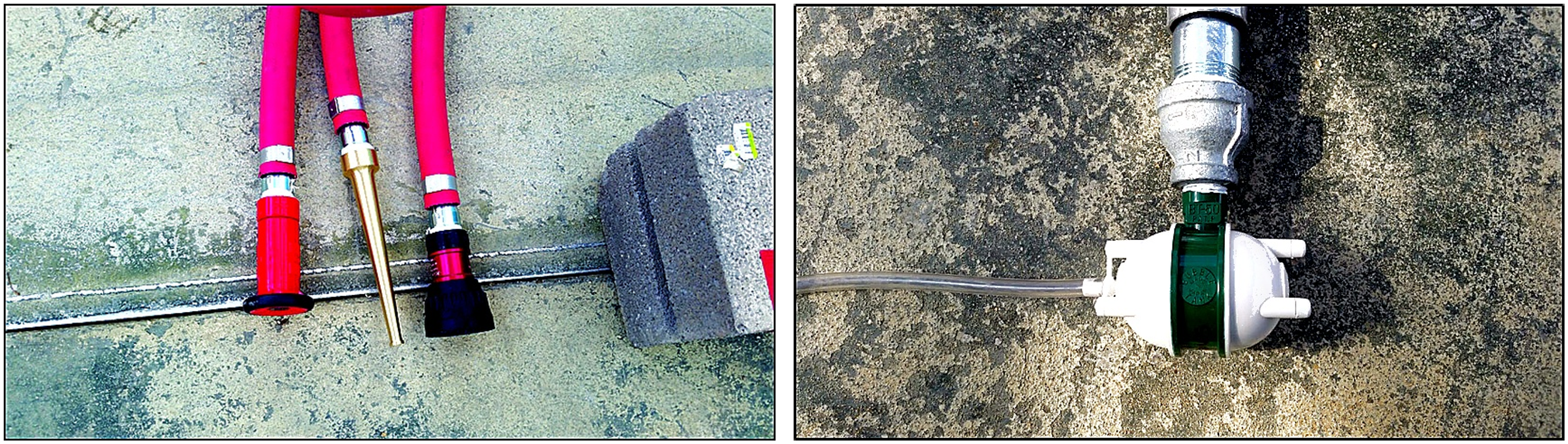
Figure 6.4. Conventional and submerged gas assisted nozzles evaluated in the U.S. Army ERDC cyanobacteria study [63].
The reported two hour treatment with the nano micro bubble nozzle reduced chlorophyll a by approximately 95% and microcystin by approximately 47.5%. The difference between these endpoints confirms that cell or pigment removal cannot be used as a surrogate for complete toxin destruction. Water in a separate 15 L demonstration also became visibly clearer, but visual clarity is not a substitute for toxin analysis [63].
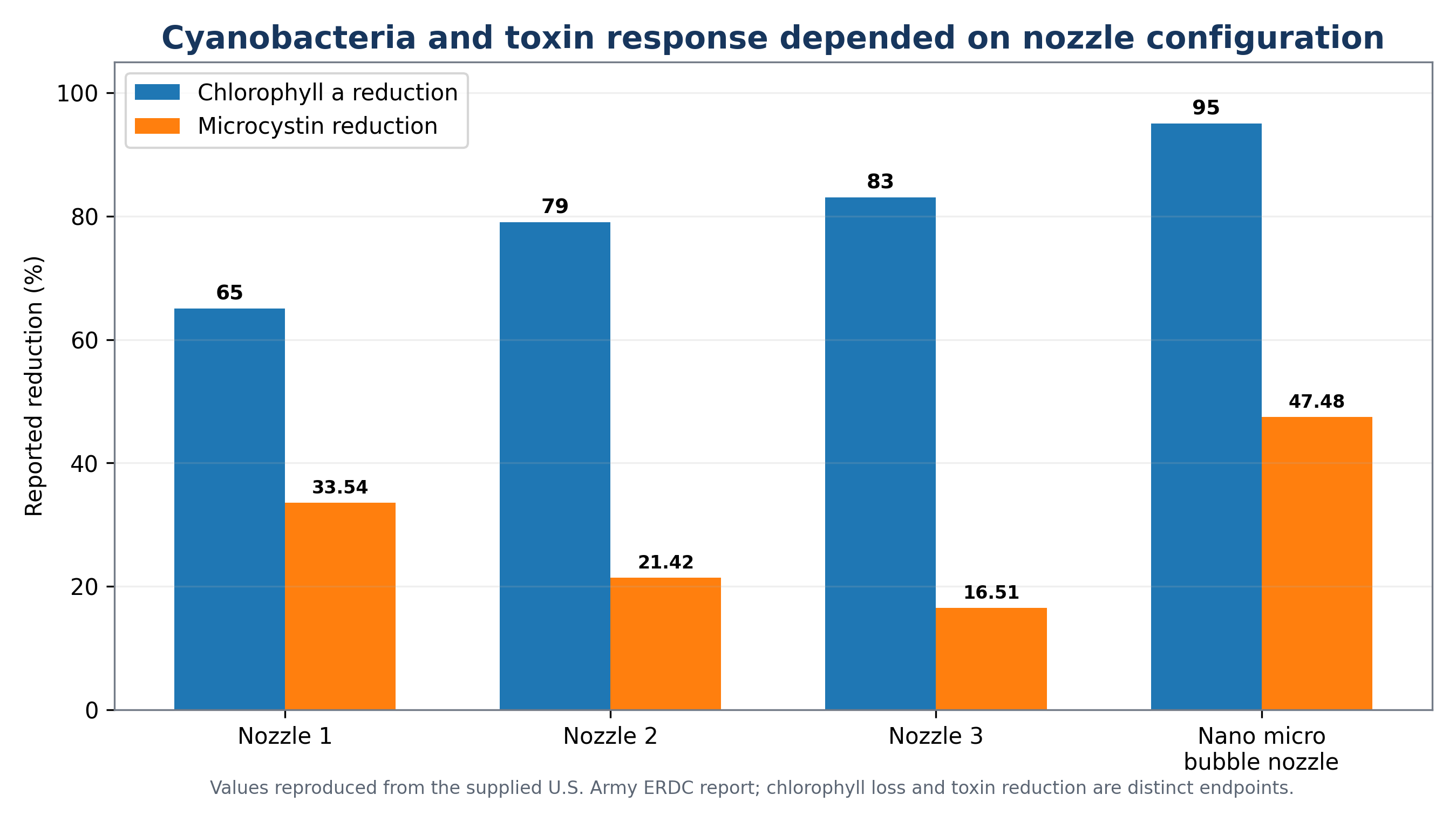
Figure 6.5. Reported chlorophyll and microcystin response for the ERDC nozzle configurations [63].
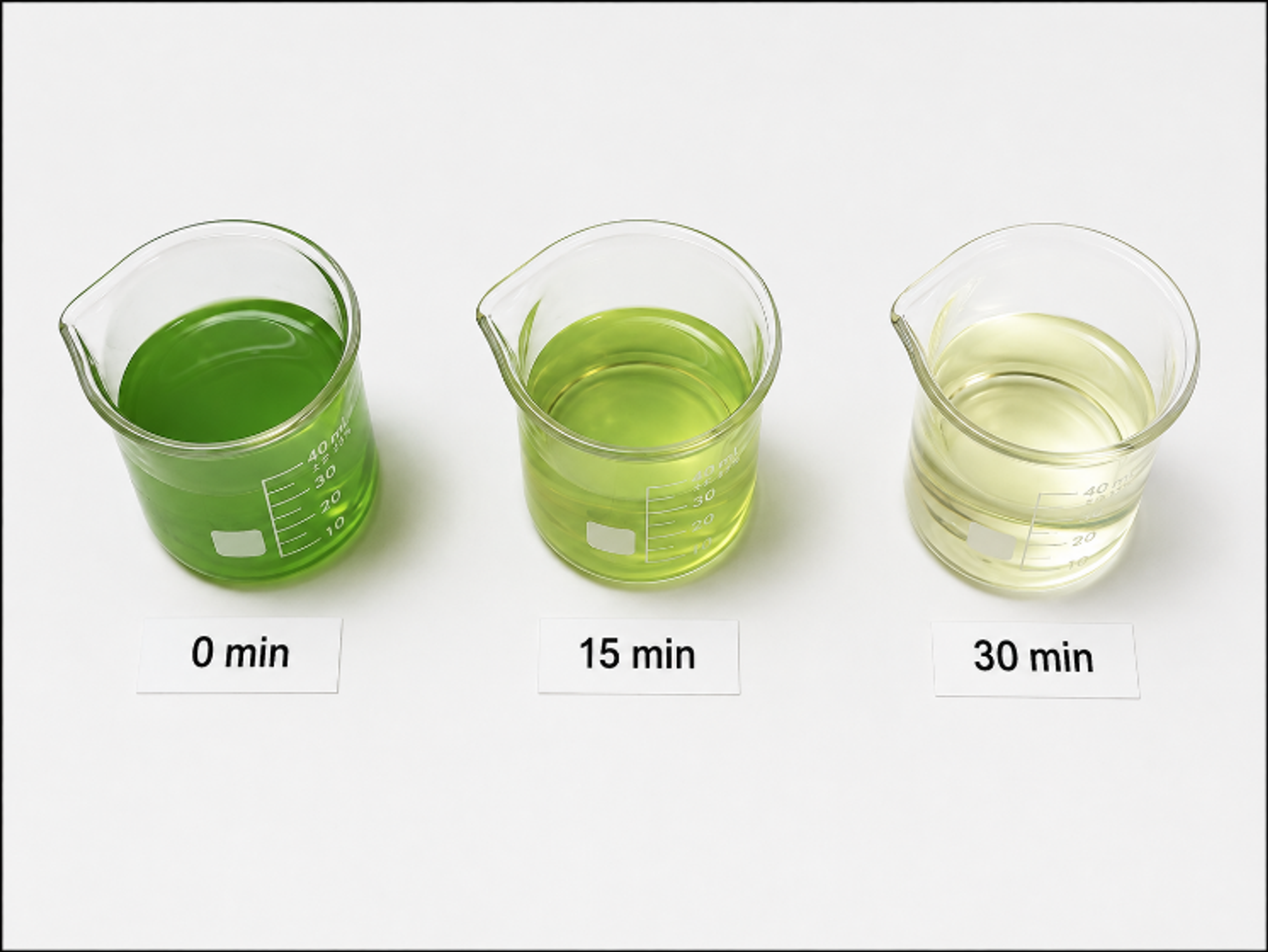
Figure 6.6. Visual change during treatment of a Microcystis aeruginosa suspension [63].
Results across cyanobacteria studies remain strongly dependent on species and reactor configuration. Gas vesicles, cell wall composition, colony structure, and extracellular polymeric material affect susceptibility. Under some conditions, HC can inhibit cyanobacterial growth without visible lysis, whereas more aggressive cavitation can rupture cells. Field deployment in lakes or reservoirs must therefore consider ecological selectivity, resuspension, oxygen demand, toxin release, and the fraction of the water body that is actually treated.