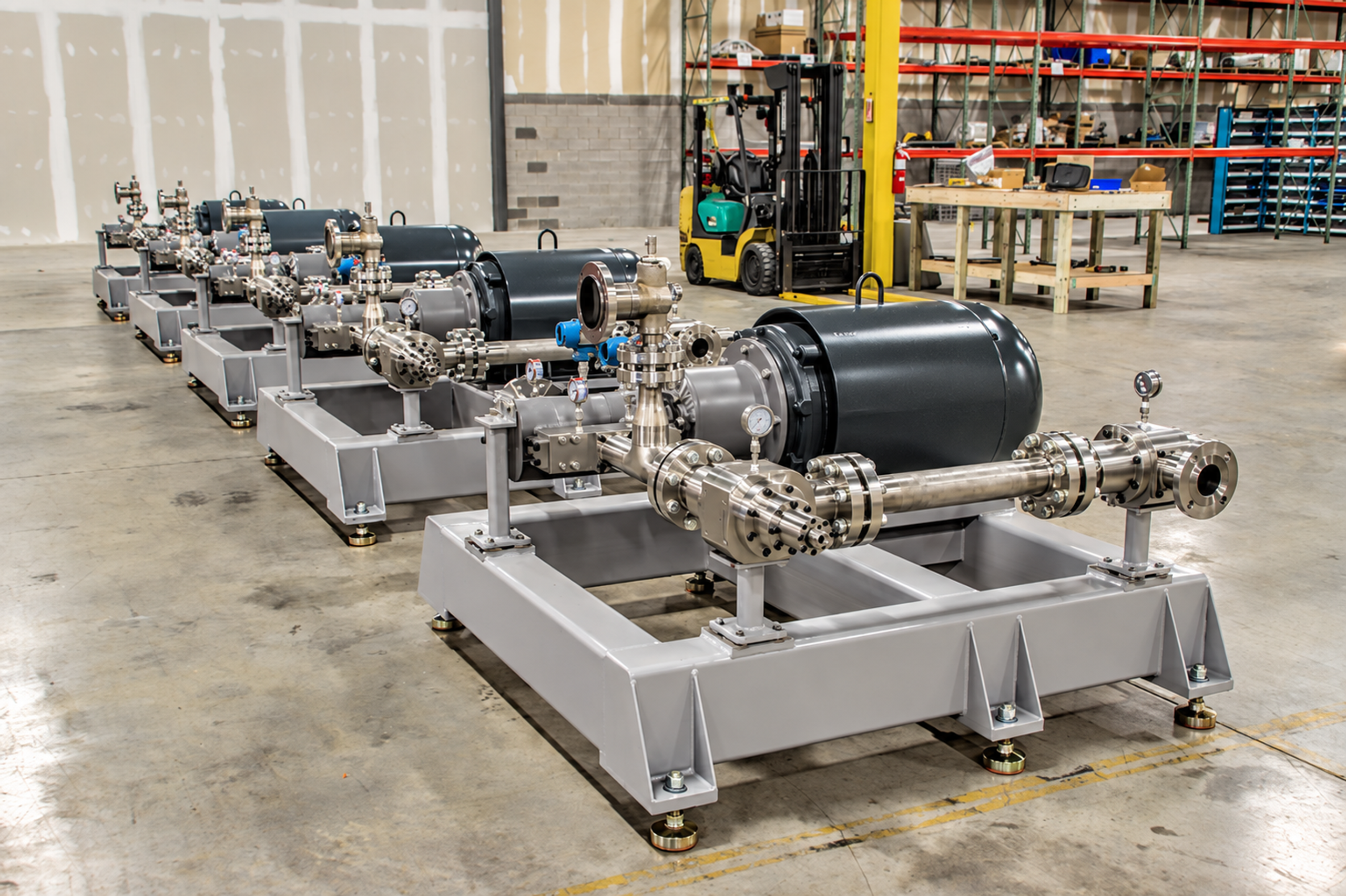
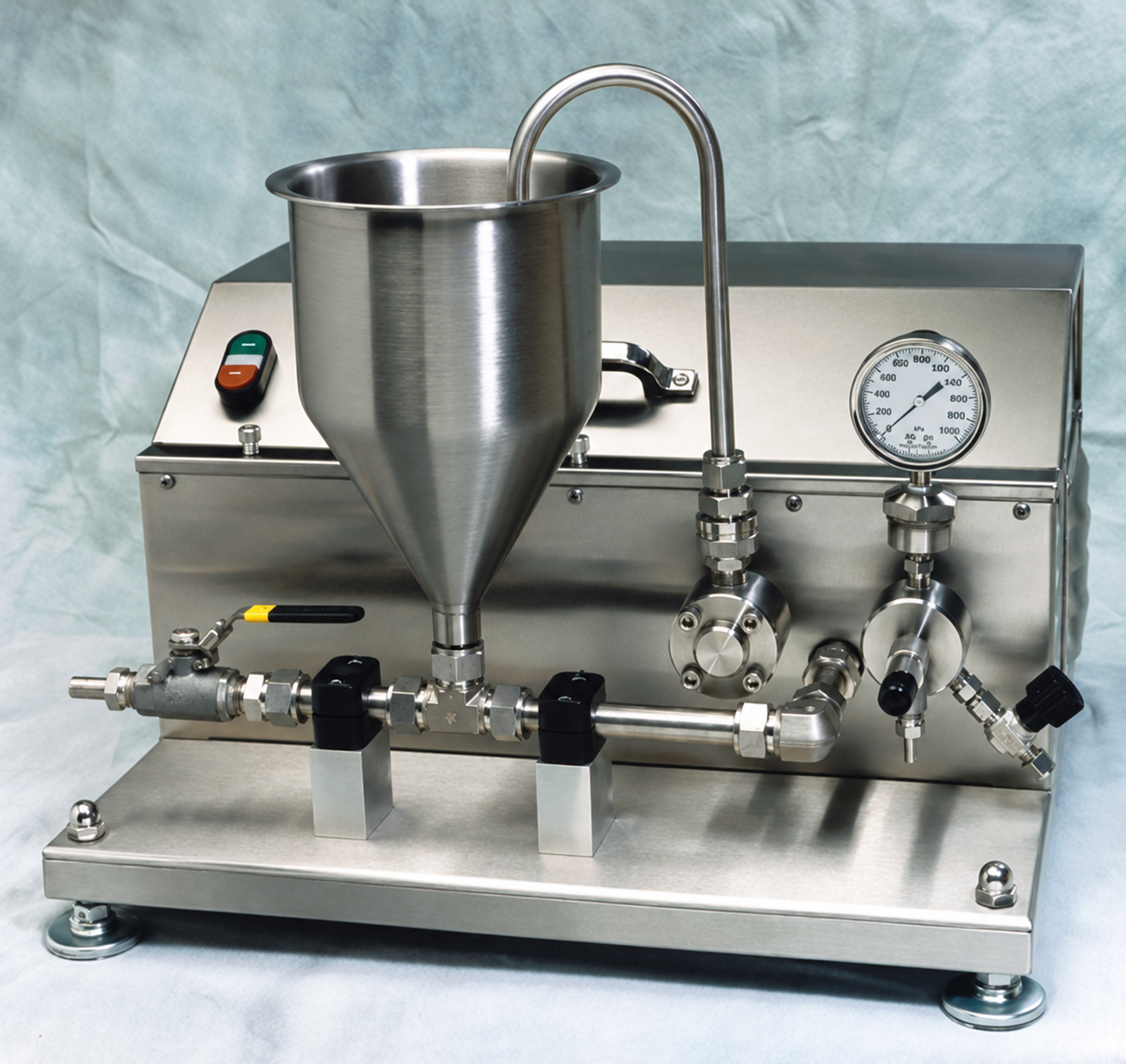
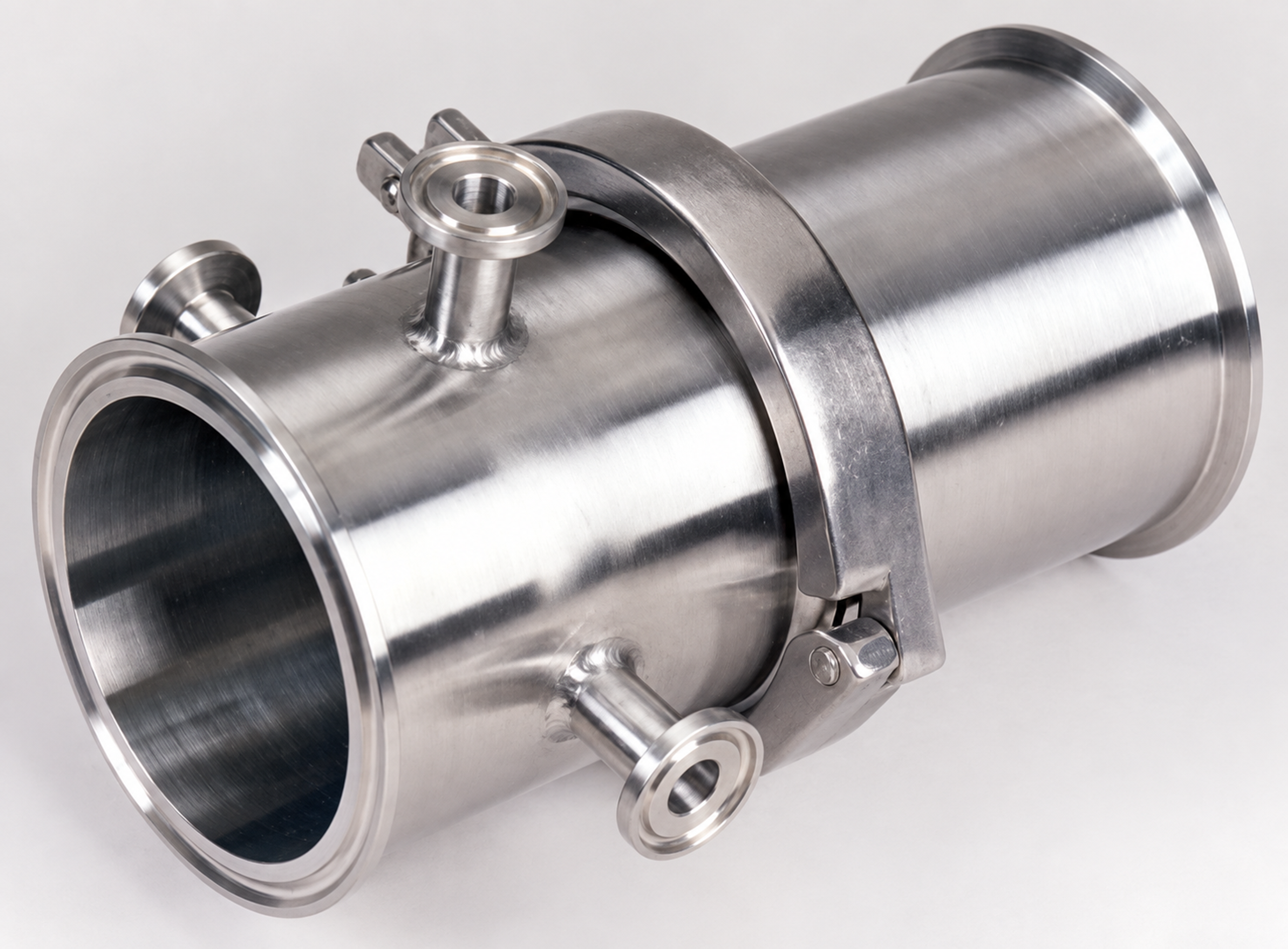
Rotor-stator mixers concentrate mechanical energy within narrow clearances, moving passages, stator openings, and discharge jets. Process performance depends not only on deformation intensity within the mixing head but also on the transport of material through that region. Accordingly, batch immersion, single-pass inline processing, and tank recirculation require different approaches to evaluating capacity, residence time, and cumulative exposure. This article presents an integrated engineering description of mixer construction, rotor and stator geometries, single-stage and multistage arrangements, and the mechanisms of dispersion, emulsification, and agglomerate breakup.
Hydrodynamic cavitation can generate chemical effects analogous to those associated with acoustic sonochemistry while operating through spatial pressure reduction and recovery in a flowing liquid rather than through an imposed acoustic field. This article examines the physical and chemical basis of these effects, including bubble growth and inertial collapse, adiabatic compression, gas and vapor composition, radical generation, interfacial chemistry, and transport into the bulk liquid. The analysis distinguishes thermal, interfacial, bulk, and mechanically assisted reaction pathways and evaluates the influence of device geometry, pressure recovery, temperature, dissolved gas, bubble cloud structure, and repeated exposure. Chemical dosimetry, energy normalization, high speed imaging, luminescence, and thermal diagnostics are considered as complementary methods for establishing a defensible evidence chain from hydraulic forcing to chemical output. Representative applications include advanced oxidation, disinfection, inorganic synthesis, crystallization, organic and multiphase processing, biomass treatment, and food and beverage processing. Experimental evidence demonstrates that maximum visible vapor volume does not necessarily correspond to maximum chemical yield because bubble interaction, shielding, recombination, and collapse location affect productive energy focusing. The principal scale up objective is therefore to preserve the pressure history, active bubble population, chemically productive collapse exposure, gas condition, residence time distribution, and energy boundary required for the target reaction while controlling erosion, contamination, and safety.
Hydrodynamic cavitation is increasingly applied to emulsification and homogenization because cavity growth and collapse generate intense, localized pressure gradients, microjets, and turbulent dissipation within continuous flow equipment. This article examines the coupled hydraulic, interfacial, and kinetic mechanisms governing droplet breakup and stabilization and reviews the principal models used to describe cavitation assisted emulsification. Static constrictions, Venturi devices, vortex reactors, and dynamic rotor stator systems are evaluated with respect to cavitation regime, pressure recovery, residence time, energy input, and product response. Emulsion quality is treated as a distributional problem rather than a single mean diameter, with emphasis on Sauter mean diameter, coarse droplet tails, interfacial area, recoalescence, and storage stability. The analysis covers Kolmogorov and Hinze scaling, Rayleigh collapse relations, the Kozyuk and Fedotkin bubble field model, population balance methods, and reduced order descriptions, together with their assumptions and validation requirements. Published results are considered for vegetable oils, proteins, dairy systems, cosmetics, pharmaceuticals, fuels, and specialty chemical applications. Particular attention is given to backpressure, pass number, viscosity, phase fraction, emulsifier concentration, temperature, dissolved gas, erosion, sanitation, scale up, and process control. The evidence indicates that maximum visible cavitation does not necessarily correspond to optimum homogenization. Industrial performance is better defined by a validated operating window that couples droplet size distribution and stability with throughput, energy, thermal history, chemical quality, cleanability, and equipment durability.