
Technical publication
Back to publications
Industrial applications
Hydrodynamic Cavitation for Wastewater Processing
okozyuk.com
Published
Read complete publication for whole-document Find and printing. Browser Find and native printing on this reader include only loaded content.
4 Sludge Pretreatment and Anaerobic Digestion
4.1 Hydrolysis Limitation and Disintegration Mechanisms
Waste activated sludge contains flocs, extracellular polymeric substances, microbial cells, cell debris, and slowly degradable particulate organic matter. Hydrolysis is commonly the rate limiting step in anaerobic digestion. HC pretreatment can reduce floc and particle size, damage cell walls, release soluble COD, expose intracellular material, and increase the surface area available to hydrolytic and fermentative microorganisms [5,27-32]. Because primary sludge is generally more readily biodegradable, its relative response may be smaller than that of secondary sludge.
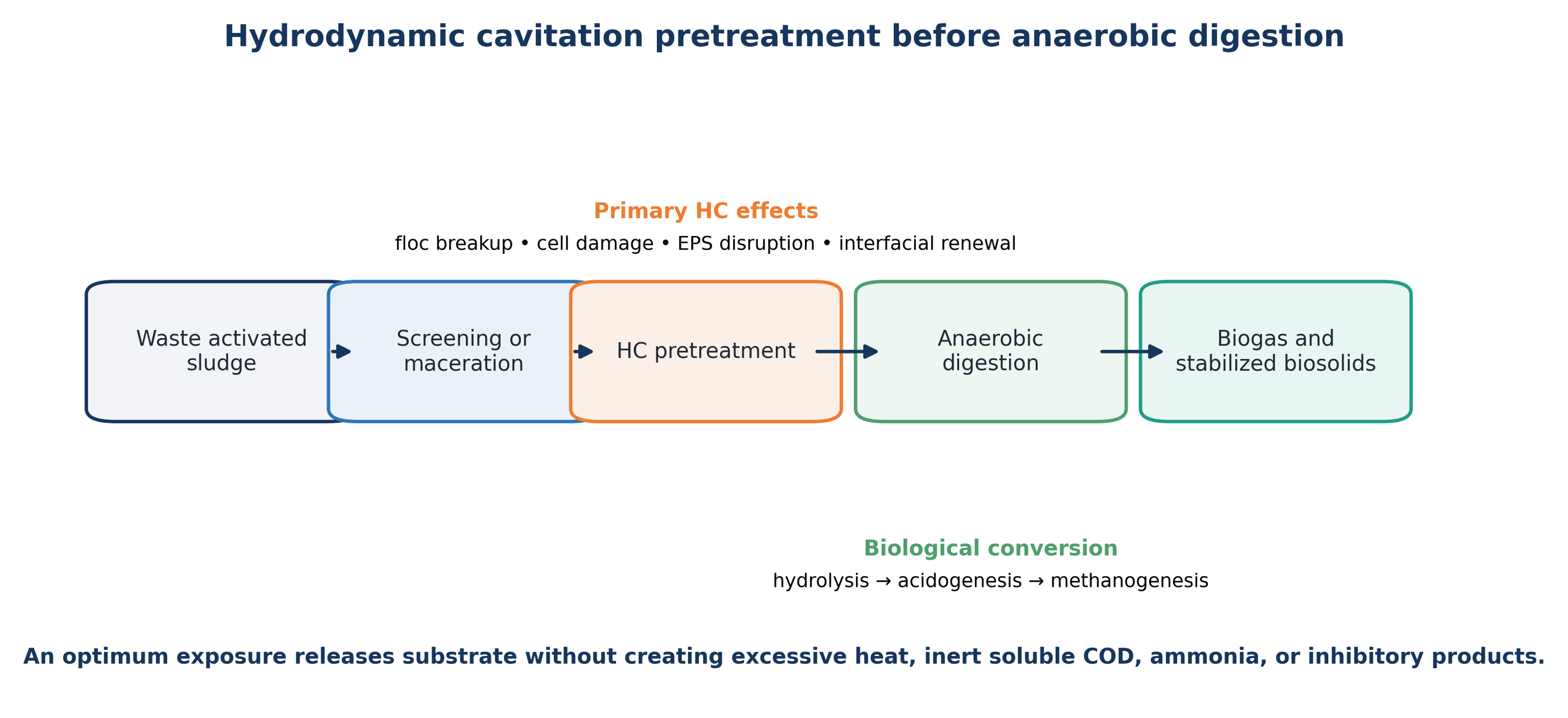
Figure 4.1. Hydrodynamic cavitation pretreatment before anaerobic digestion [11].
The degree of sludge disintegration, DDCOD, can be calculated using Equation (4.1):
DDCOD is the degree of disintegration based on soluble chemical oxygen demand. SCODt is soluble COD after treatment, SCOD₀ is the initial soluble COD, and SCODmax is a reference maximum obtained by a defined chemical or thermal method. Because the reference method determines the denominator, it should be reported explicitly.
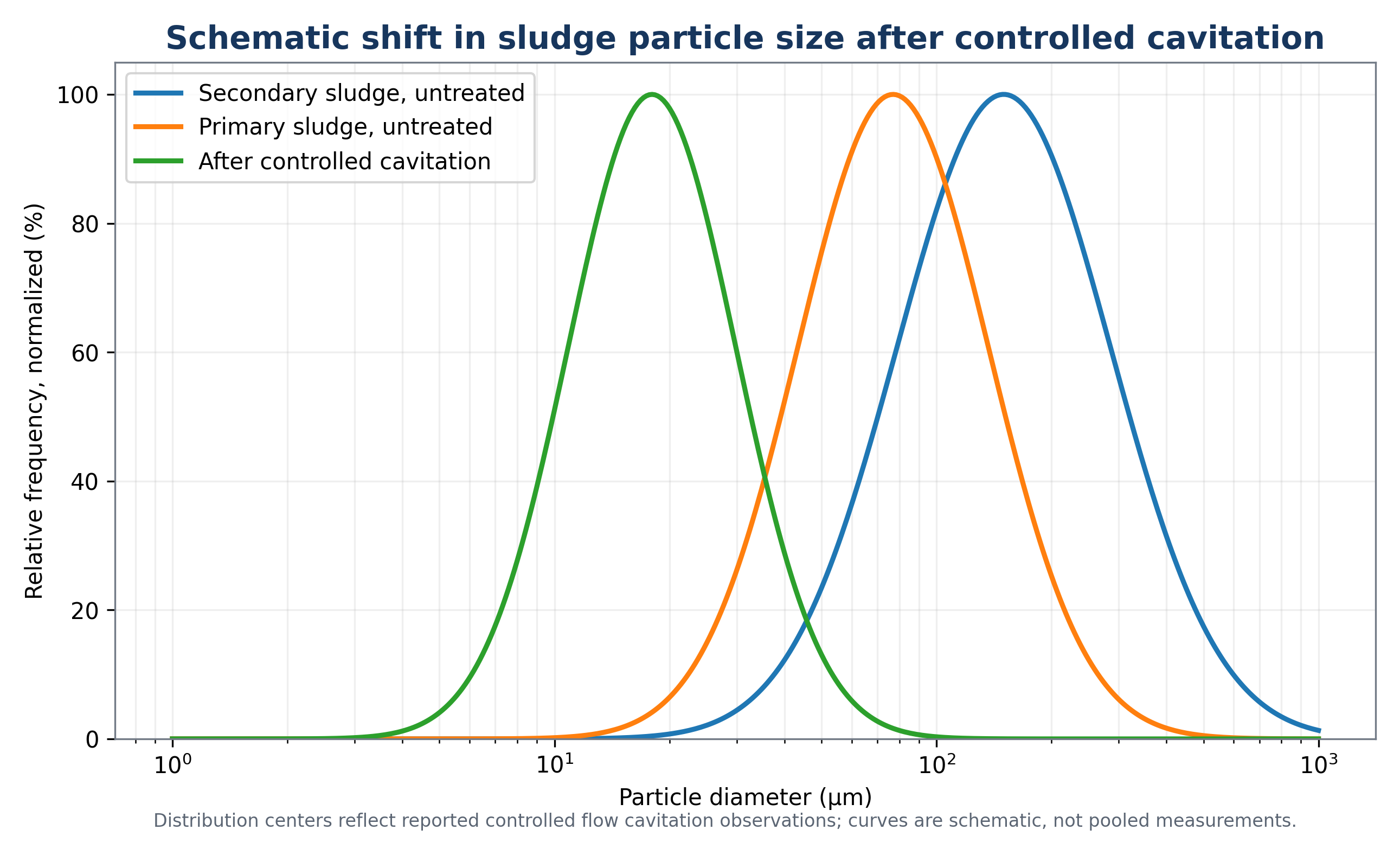
Figure 4.2. Schematic shift in sludge particle size distribution after controlled cavitation. The representative centers and treated size range reflect the controlled flow cavitation observations [27,28].
4.2 Methane Yield, Severity Optimum, and Excessive Treatment
Methane yield enhancement can be calculated using Equation (4.2):
Early controlled flow cavitation work summarized by Michel and Kozyuk reported narrower particle size distributions, typical methane yield improvements of 20% to 30%, and lower residual digested solids in the cited applications [5,27,28]. Grübel and Suschka combined mild alkalization near pH 9 with HC. Under the reported conditions, the hybrid treatment increased soluble organic release and produced 22% to 27% more biogas than conventional digestion [29]. The alkaline step weakened cell walls and flocs, while HC supplied shear, shock, mixing, and additional disintegration.
More recent results reinforce the existence of a treatment severity optimum. Abdelrahman et al. treated waste activated sludge at upstream pressures of 0.83 and 1.72 MPa. Methane yields were 128.4 and 119.1 mL CH₄ g⁻¹ VS, respectively, compared with 98.3 mL CH₄ g⁻¹ VS for the control. The lower pressure condition produced the largest increase, 30.6% [30]. A study by Son et al. using an advanced rotational HC reactor also found that excessive treatment could reduce biogas yield, whereas optimized treatment improved overall energy efficiency [31].
Table 4.1. Selected sludge pretreatment evidence and scale up implications.
| Study or system | Treatment | Reported outcome | Implication |
|---|---|---|---|
| Controlled flow cavitation [27,28] | Repeated flow through exposure | Secondary sludge distribution centered near 150 μm shifted below about 22 μm | Particle accessibility and hydrolysis can be improved without complete solubilization |
| Hybrid alkali HC [29] | Mild NaOH conditioning and developed Venturi cavitation | Higher SCOD release; biogas increased about 22-27% | Chemical weakening and mechanical disintegration can be synergistic |
| Flow pattern study [30] | Orifice HC at 0.83 and 1.72 MPa | Methane 128.4 and 119.1 versus 98.3 mL CH₄ g⁻¹ VS control | Lower pressure produced the best biological result |
| Advanced rotational HC [31] | Rotor based sludge disintegration | Optimized treatment improved digestibility and energy efficiency; excessive treatment was detrimental | Severity must be optimized against biological response, not only SCOD |
| Semi industrial rotating device [32] | Scale up to 500 L sludge pig slurry treatment | Specific solubilization energy decreased with scale | Rotational HC can benefit from scale when hydraulic duty is managed |
4.3 Quantitative Indicators of Sludge Disintegration
Machnicka, Grübel, and Suschka treated 25 L portions of activated sludge in a recycle system using a 1.2 mm nozzle and a pump pressure of approximately 12 bar. Soluble COD increased from about 42 to 326 mg L⁻¹ during 90 minutes of treatment, while the reported degree of disintegration increased from approximately 14% at 15 minutes to 54% at 90 minutes. The largest incremental increase occurred during the first 30 minutes, indicating that exposure time should be optimized against diminishing returns in solubilization [57].
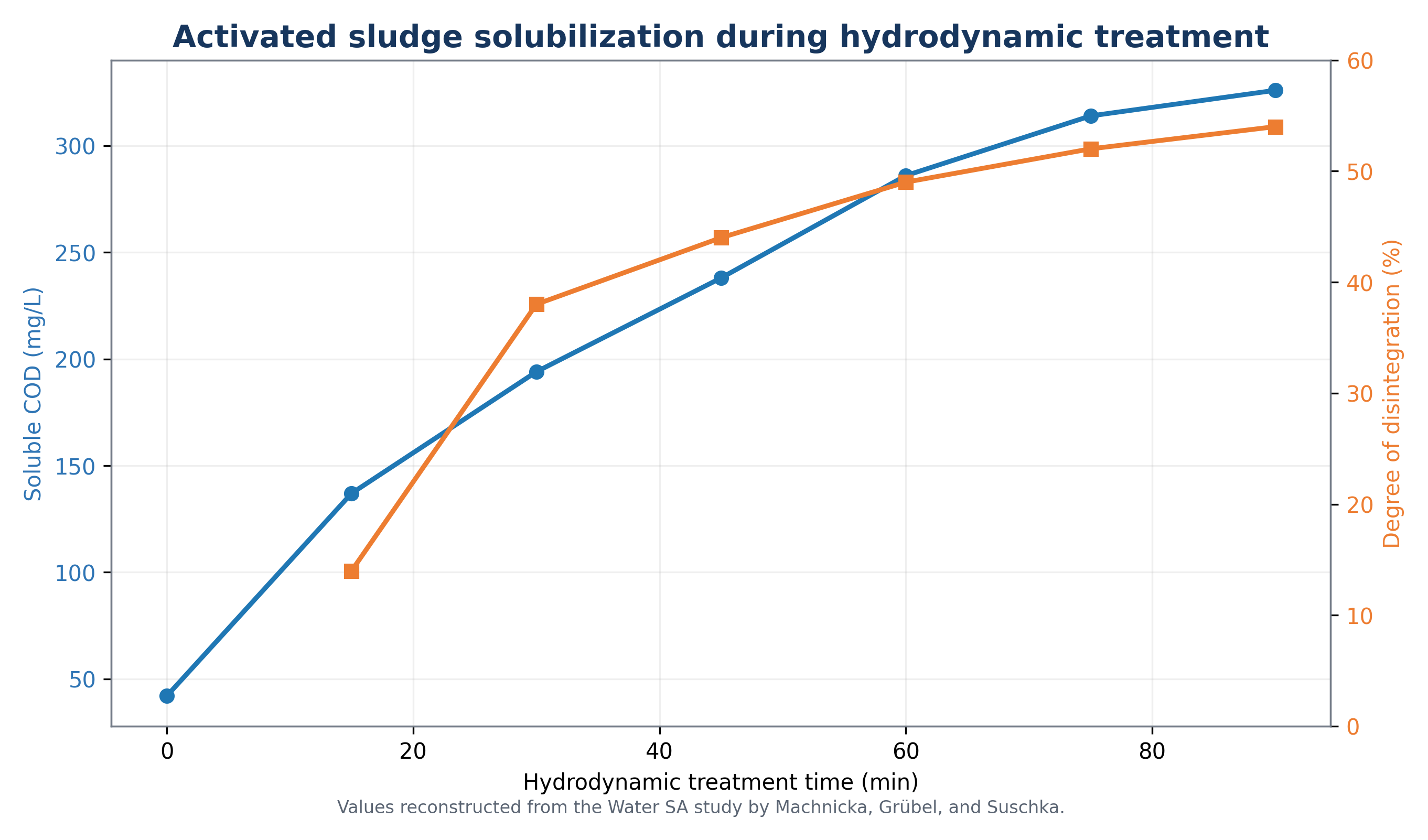
Figure 4.3. Soluble chemical oxygen demand release and degree of disintegration during hydrodynamic treatment of activated sludge [57].
Soluble COD is a useful process indicator but is not a complete measure of digestion benefit. Solubilized material may include readily fermentable substrate, slowly degradable macromolecules, inert soluble compounds, or inhibitory products. Pretreatment value should therefore be confirmed using methane yield, volatile solids destruction, dewaterability, ammonia release, viscosity, and the stability of the anaerobic microbial community.
In the same study, addition of disintegrated sludge at 10%, 20%, and 30% of fermenter volume increased reported biogas production by about 22%, 95%, and 131%, respectively, relative to the control. These batch responses indicate that the released substrate was biologically accessible under the test conditions. They should not be transferred directly to full scale continuous digesters because treated fraction, organic loading, solids retention time, inoculum adaptation, and the energy required for 90 minutes of recycle treatment differ substantially [57].
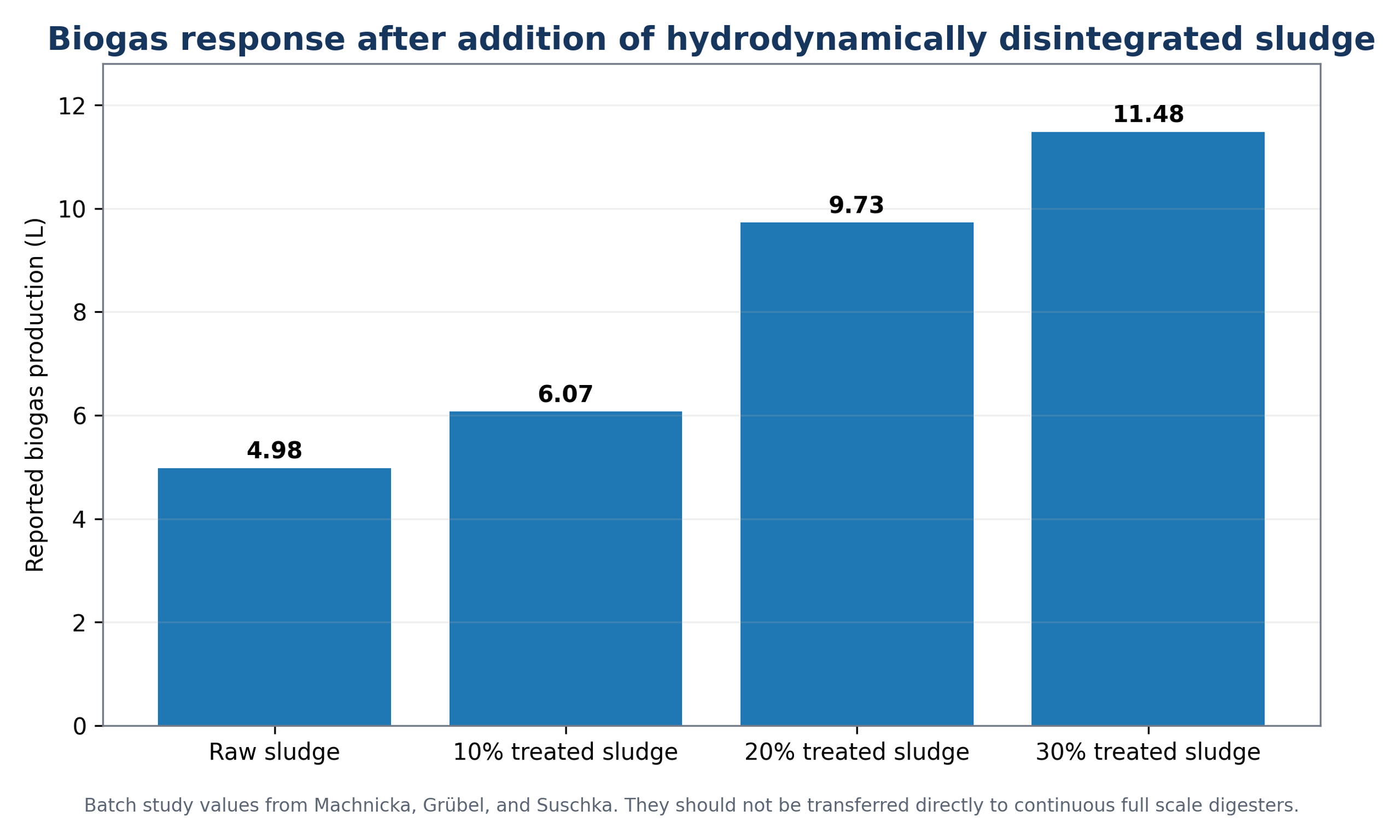
Figure 4.4. Reported biogas response after adding hydrodynamically disintegrated sludge to batch fermenters [57].
Optical microscopy from the APV INature process shows disruption of large agglomerates and filamentous structures after low pressure homogenization. Such images provide direct evidence of structural change, but microscopy should be combined with quantitative particle size and soluble organic measurements because individual visual fields may not represent the full sludge population [58].
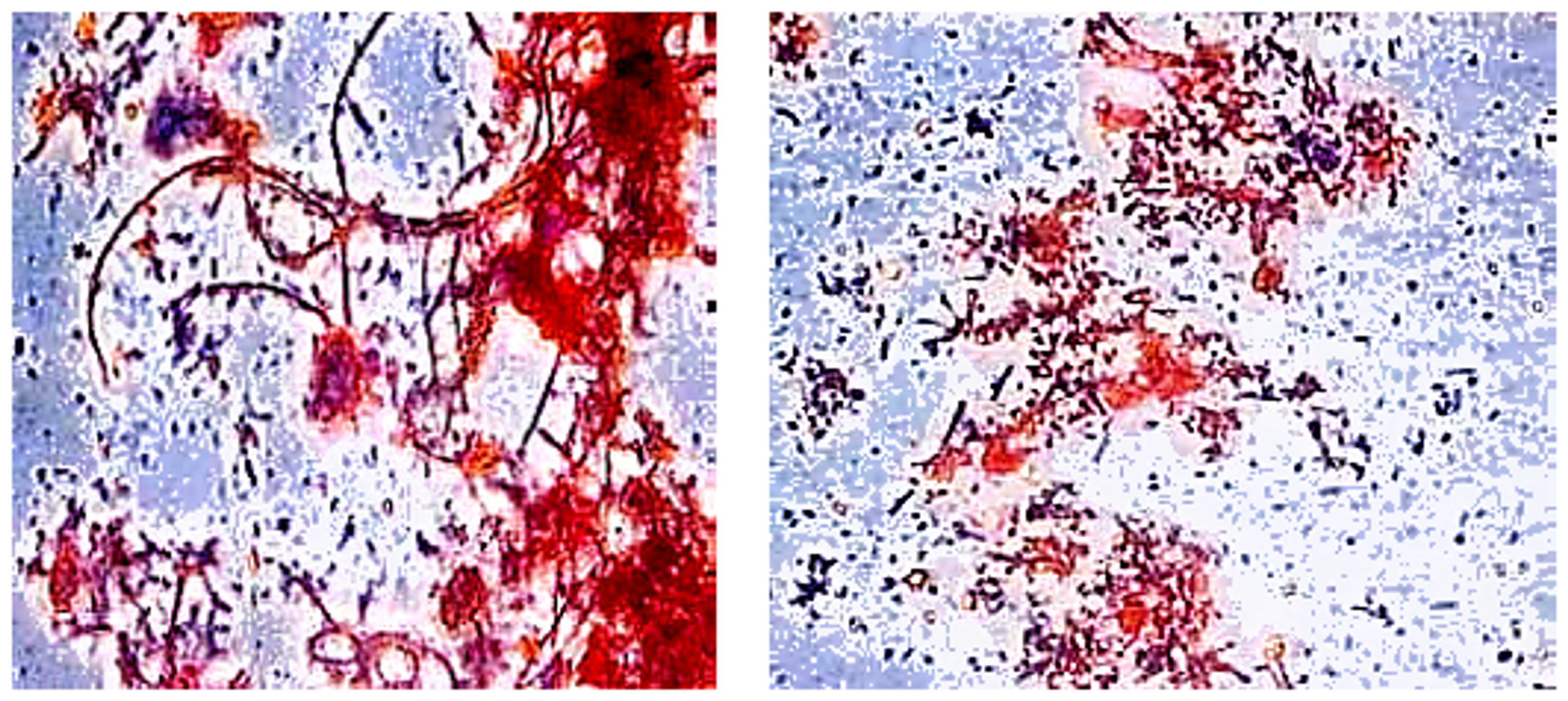
Figure 4.5. Activated sludge structure before and after cavitation [27,28].
4.4 Commercial and Full Scale Sludge Conditioning Systems
Commercial sludge systems commonly combine several unit operations rather than relying on a cavitation element alone. The APV INature configuration used an upstream macerator, a high pressure piston pump, and a low pressure homogenizing valve. The workshop paper identified approximately 150 bar and 5.5 kWh m⁻³ as the preferred operating point for the described installation. Reported particle size values decreased from 30 to 15 µm at X50 and from 80 to 32 µm at X90, with a claimed increase in available surface area greater than 100% [58].
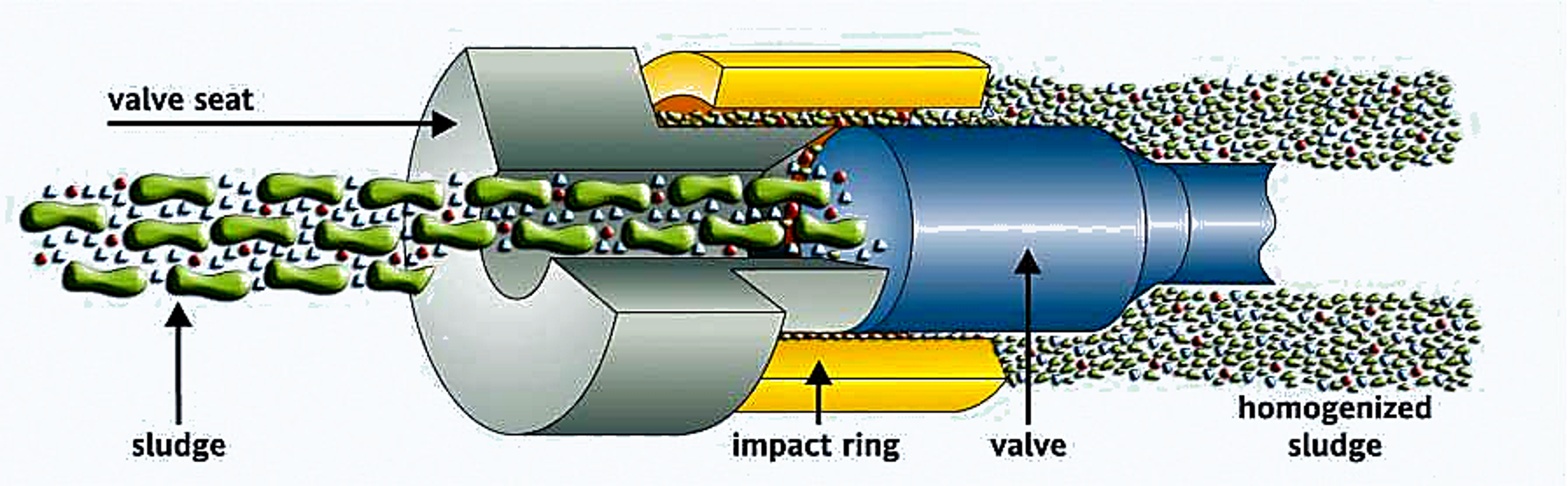
Figure 4.6. Low pressure homogenizing valve is used in the APV INature sludge treatment process [58].
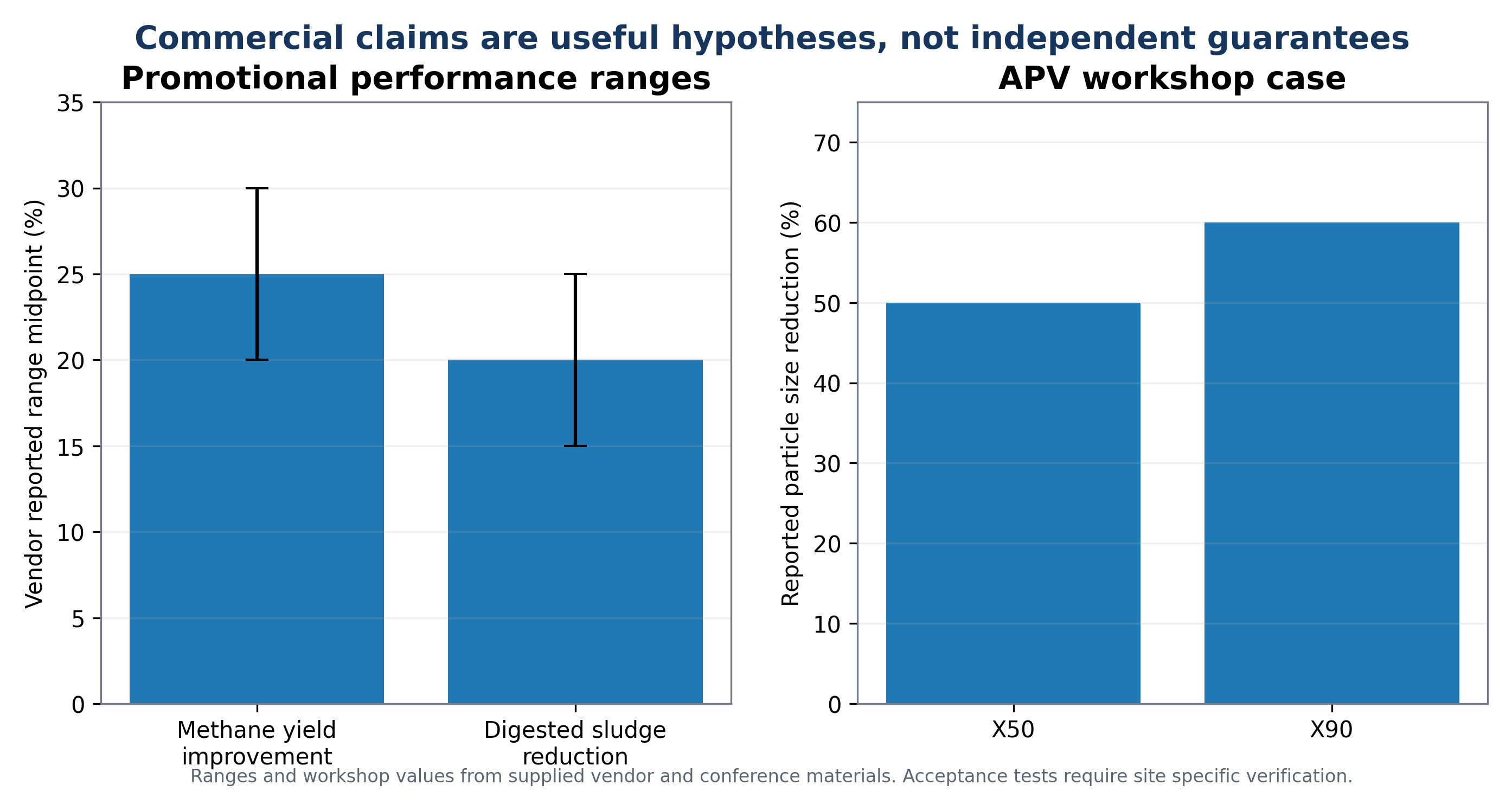
Figure 4.7. Reported anaerobic digestion benefits and particle size effects associated with controlled flow cavitation [60,66,71].
The VRTX study reported improvements in soluble COD, dewatering, suspended solids measures, sludge volume index, and particle size during pilot treatment of waste activated sludge [59]. The Siemens Crown process combined maceration, high speed mixing, pressurization, a disintegration nozzle, recirculation, and discharge to the digester. Technical literature reported biogas increases of up to 30% and post digestion solids reduction of up to 20% [60,66]. These values are useful for defining commercial performance hypotheses, but vendor associated results should be distinguished from independently controlled research data during design review.
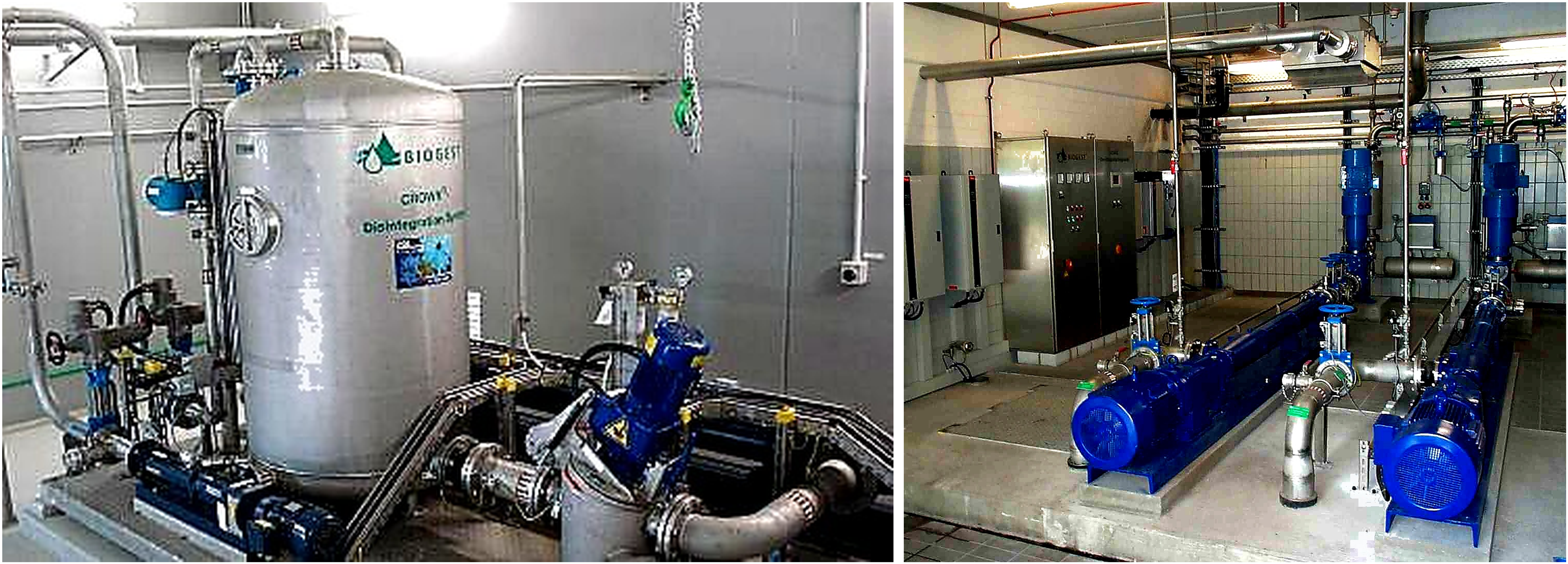
Figure 4.8. Crown sludge disintegration equipment and a full scale installation at Wiesbaden [60,65,66].
Full scale process value depends on the combined balance of additional methane production, reduced biosolids mass, improved cake solids, reduced foaming, and avoided external carbon addition. Potential losses include excessive electrical demand, maintenance, grit erosion, increased soluble refractory COD, and digester destabilization. Economic assessment should therefore be based on measured plant mass balances rather than on a single percentage improvement.
Table 4.2. Evidence hierarchy for sludge pretreatment design.
| Evidence class | Representative source | Strength | Limitation | Recommended design use |
|---|---|---|---|---|
| Controlled laboratory digestion | Machnicka et al. [57]; Abdelrahman et al. [30] | Direct comparison with control and defined treatment conditions | Small volume, batch digestion, matrix specific | Identify mechanisms, exposure optimum, and biological response |
| Pilot sludge treatment | Nicholas and Vella [59] | Real waste activated sludge and equipment operation | Developer affiliated study and limited long term data | Define solids handling, dewatering, and instrumentation needs |
| Workshop or commercial case study | Fulton [58]; Schmitt [65] | Plant scale equipment, operability, and economic context | Incomplete independent controls and variable reporting | Establish retrofit configuration and candidate performance range |
| Vendor technical literature | Siemens [60,66] | Equipment layout and claimed operating benefits | Marketing context and selective reporting | Develop hypotheses only; require guaranteed and independently verified acceptance tests |
| Recent peer reviewed rotational HC | Son et al. [31] | Modern reactor, BMP response, scale analysis, excessive treatment warning | Still requires site specific validation | Support advanced rotor selection and severity optimization |