
Technical publication
Back to publications
Industrial applications
Emerging Frontiers in Hydrodynamic Cavitation
okozyuk.com
Published
Read complete publication for whole-document Find and printing. Browser Find and native printing on this reader include only loaded content.
7 Microalgae Lysis and Biomass Valorization
7.1 Role in Biorefineries and Cell Disruption
Microalgae and wet biomass contain proteins, lipids, pigments, carbohydrates, minerals, and specialized metabolites that can be recovered only after the surrounding cellular or plant structure is opened. Bead milling, high pressure homogenization, drying, solvent extraction, and enzymatic treatment can be effective, but energy demand and downstream separation often dominate process economics. Hydrodynamic cavitation provides a continuous wet route in which pressure pulses, shear, microjets, turbulence, and repeated wetting expose intracellular material without placing an acoustic transducer inside the vessel [53-55].
The process objective must be stated precisely. Complete lysis may be appropriate before low value lipid recovery, whereas selective permeabilization is preferable when proteins, pigments, antioxidants, or volatile compounds must retain functionality. Excessive cavitation can heat the slurry, oxidize unsaturated lipids, fragment target molecules, produce stable fines that are difficult to separate, or consume energy after the extraction plateau has been reached. A successful process therefore maximizes recovered product per unit electrical energy rather than maximizing noise, pressure drop, or visible vapor volume.
Eₛ is the specific electrical energy supplied to the cavitation loop, Pₑₗ is measured electrical power, t is treatment time, and is dry biomass mass. Reporting energy only per unit liquid volume can obscure the effect of slurry solids concentration.
is dry extract yield, is the recovered dry product mass, and mdry is the dry feed mass. Product purity and retained biological activity must be reported with yield.
7.2 Hydraulic Characterization and the Lysis Threshold
A low cavitation number does not by itself guarantee cell rupture. Bubble population, maximum cavity size, collapse location, solids concentration, liquid viscosity, dissolved gas, number of passes, and the mechanical strength of the target organism all matter. Small orifices create high throat velocity and low local pressure but may generate cavities too small to deliver sufficient collapse energy to a robust cell. Larger openings allow larger cavities but may not reach the required pressure depression unless pump capacity and downstream pressure are adjusted [53].
Hydraulic characterization should include upstream and downstream pressure, actual throat velocity, flow rate, liquid temperature, dissolved gas, high speed visualization or an acoustic indicator of collapse, and energy measured at the motor. For a recirculating batch, flow turnovers provide a better comparison than minutes because the same time can represent very different exposure when flow or vessel volume changes. Sampling should distinguish intact cells, reversibly permeabilized cells, fragmented cells, and dissolved product.
DL is the measured cell disruption fraction, is the number of cells meeting a defined damage criterion, and is the number evaluated. The criterion may be microscopy, dye uptake, released protein, chlorophyll, lipid, or another validated analytical response.
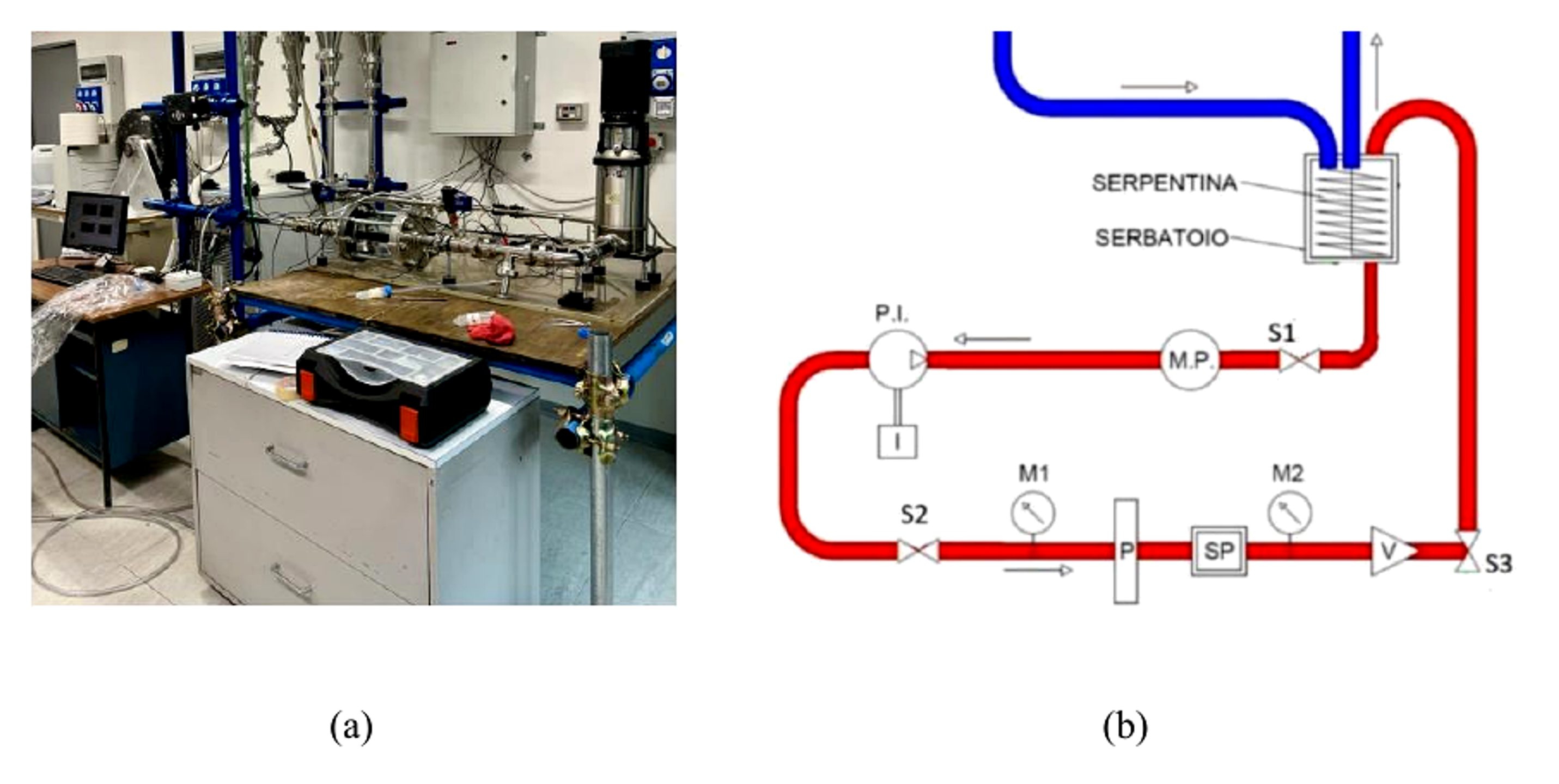
Figure 7.1. Experimental hydraulic loop and schematic used for microalgae cavitation tests. [53].
7.3 Evidence from Galdieria sulphuraria
The Politecnico di Torino study evaluated Galdieria sulphuraria in a stainless steel loop fitted with interchangeable 2, 3, 4.5, and 6 mm orifice plates. The 2 mm plate produced the lowest cavitation number because it generated the greatest velocity and pressure differential. High speed images nevertheless showed comparatively small cavities. Larger openings produced larger vapor structures but did not achieve equally low cavitation numbers with the available pump [53].
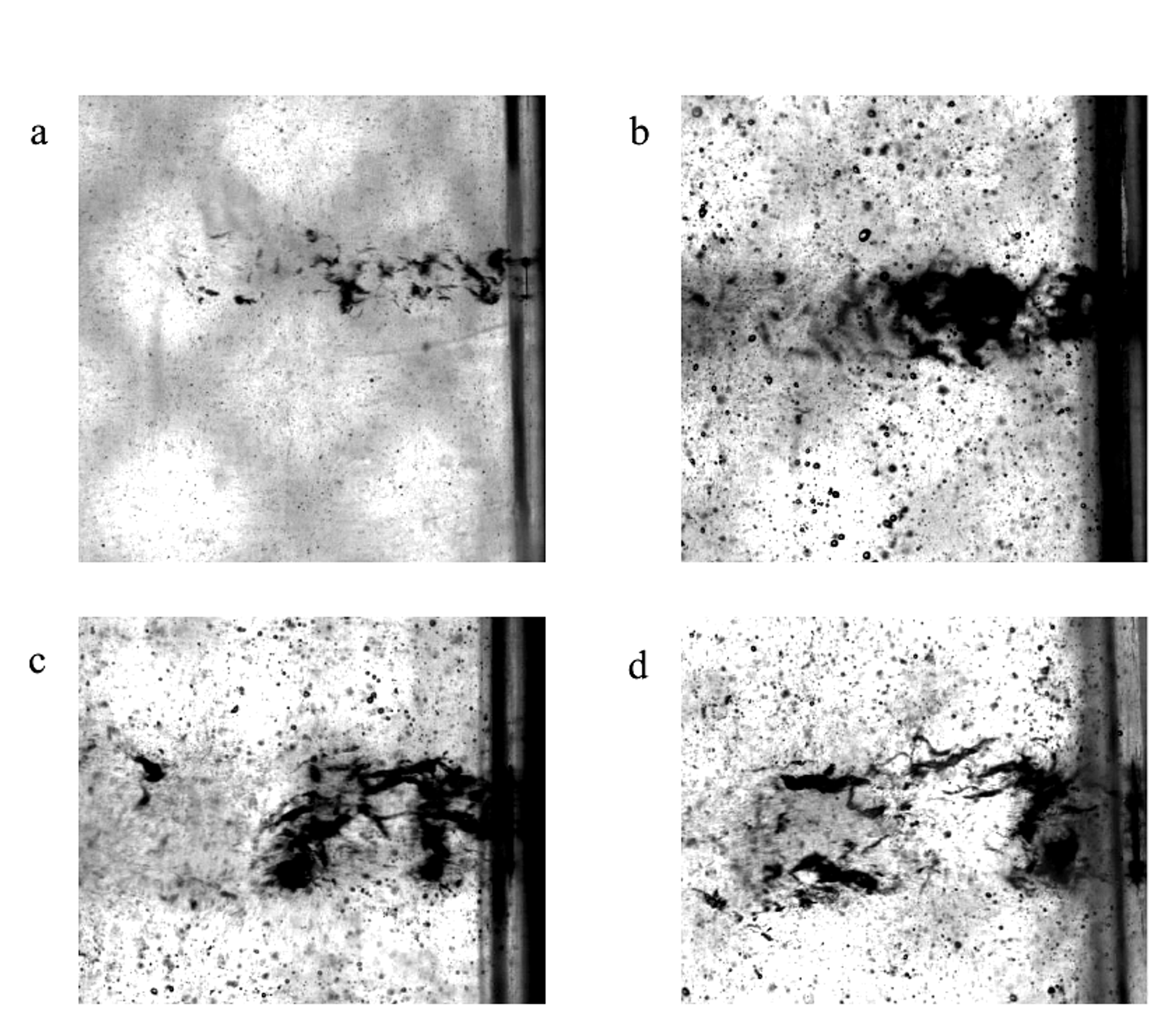
Figure 7.2. High speed views of cavitation structures produced by different orifice diameters in the microalgae test loop [53].
No effective rupture of the robust G. sulphuraria cell wall was demonstrated under the tested operating window. This negative result is important because it shows that intense looking cavitation and a low calculated cavitation number are not sufficient acceptance criteria. The reactor must simultaneously provide a suitable cavity size distribution, collapse intensity, exposure frequency, and proximity between collapsing cavities and cells. Naghashzargar therefore recommends a revised reactor and pumping configuration capable of combining low cavitation number with larger bubble implosions [53].
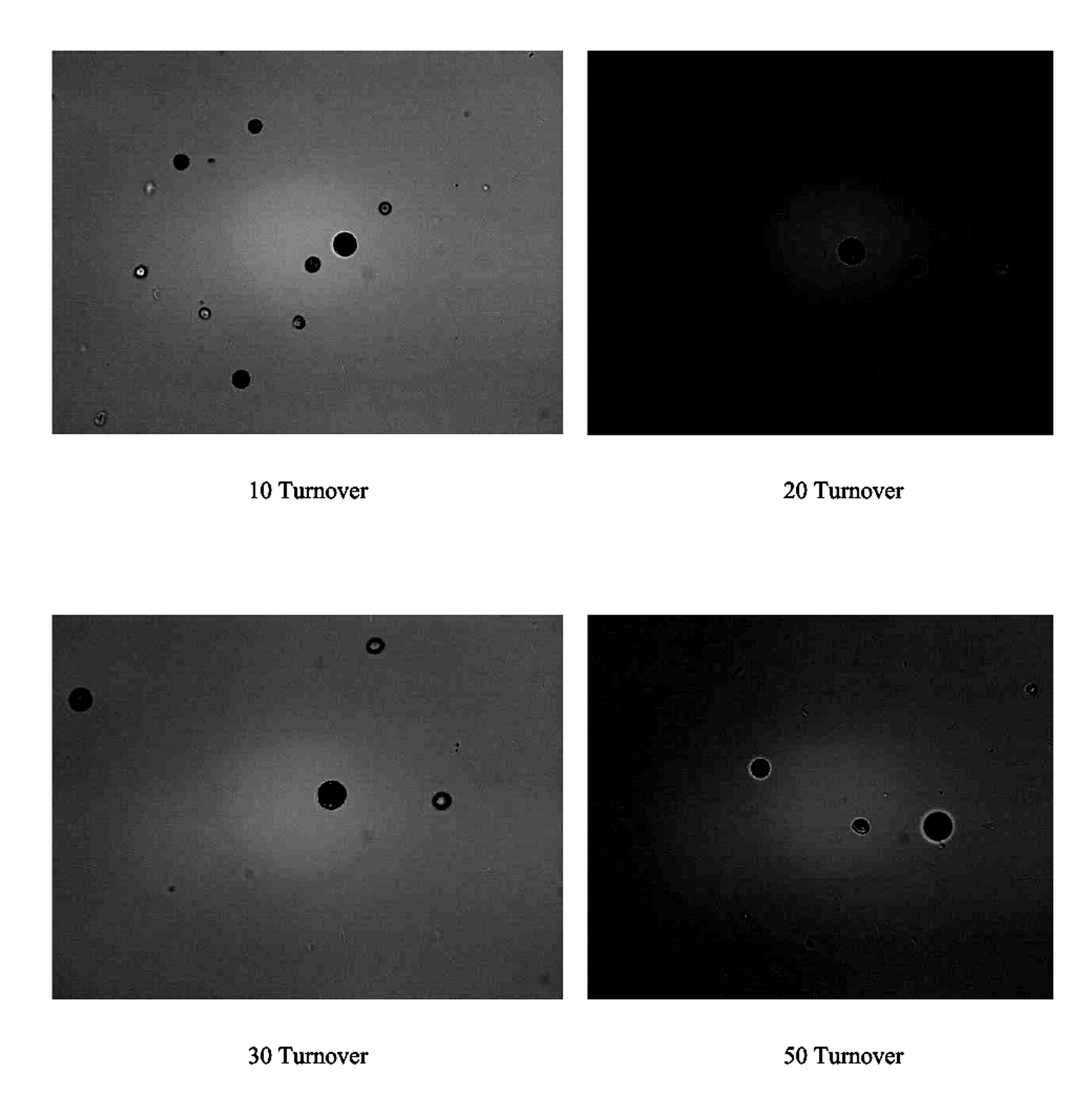
Figure 7.3. Bright field images after 10, 20, 30, and 50 flow turnovers. The study did not establish effective lysis in the tested window. [53].
For process development, a negative lysis result should trigger a mechanistic redesign rather than an arbitrary increase in pass count. Options include staged restrictions, a Venturi with a longer controlled cavity, gas dosing to modify nuclei, a rotor stator stage for repeated near wall collapse, increased solids concentration to reduce downstream water removal, and temperature control to protect target compounds. Each modification should be evaluated against both disruption yield and specific energy.
7.4 Plant Extraction and Circular Biorefineries
Hydrodynamic cavitation has also been used to extract polyphenols, pectin, terpenes, lipids, proteins, and other compounds from plant and algal matrices. In these systems, cell wall rupture and particle attrition increase accessible surface area while turbulence reduces the external mass transfer boundary layer. Static devices are simple but can clog when fibrous solids accumulate; rotor stator devices tolerate higher solids and provide repeated mechanical action at lower feed pressure [54,55].
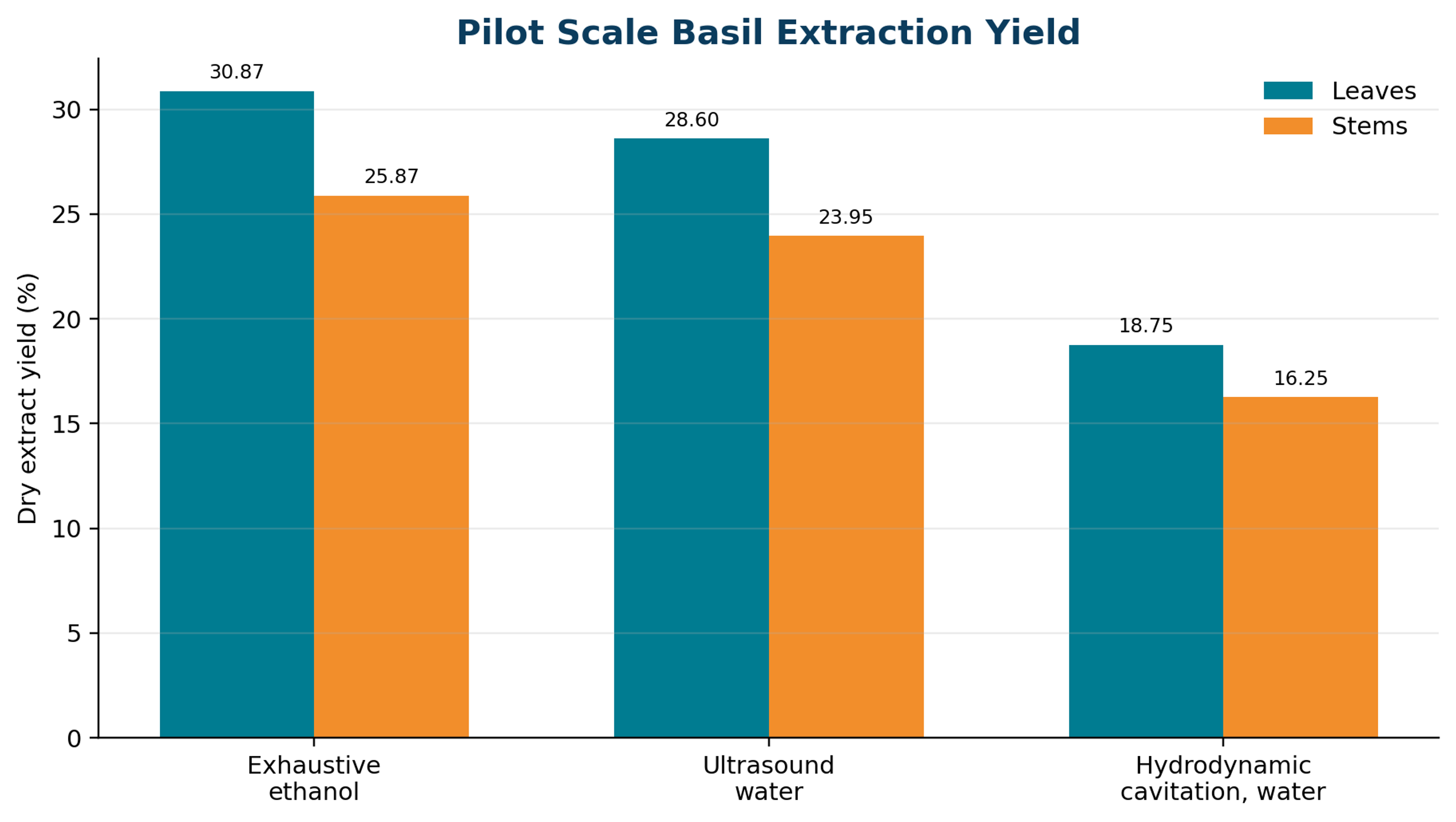
Figure 7.4. Pilot scale basil extraction yields reported for exhaustive ethanol, ultrasound assisted water extraction, and hydrodynamic cavitation water extraction. [54].
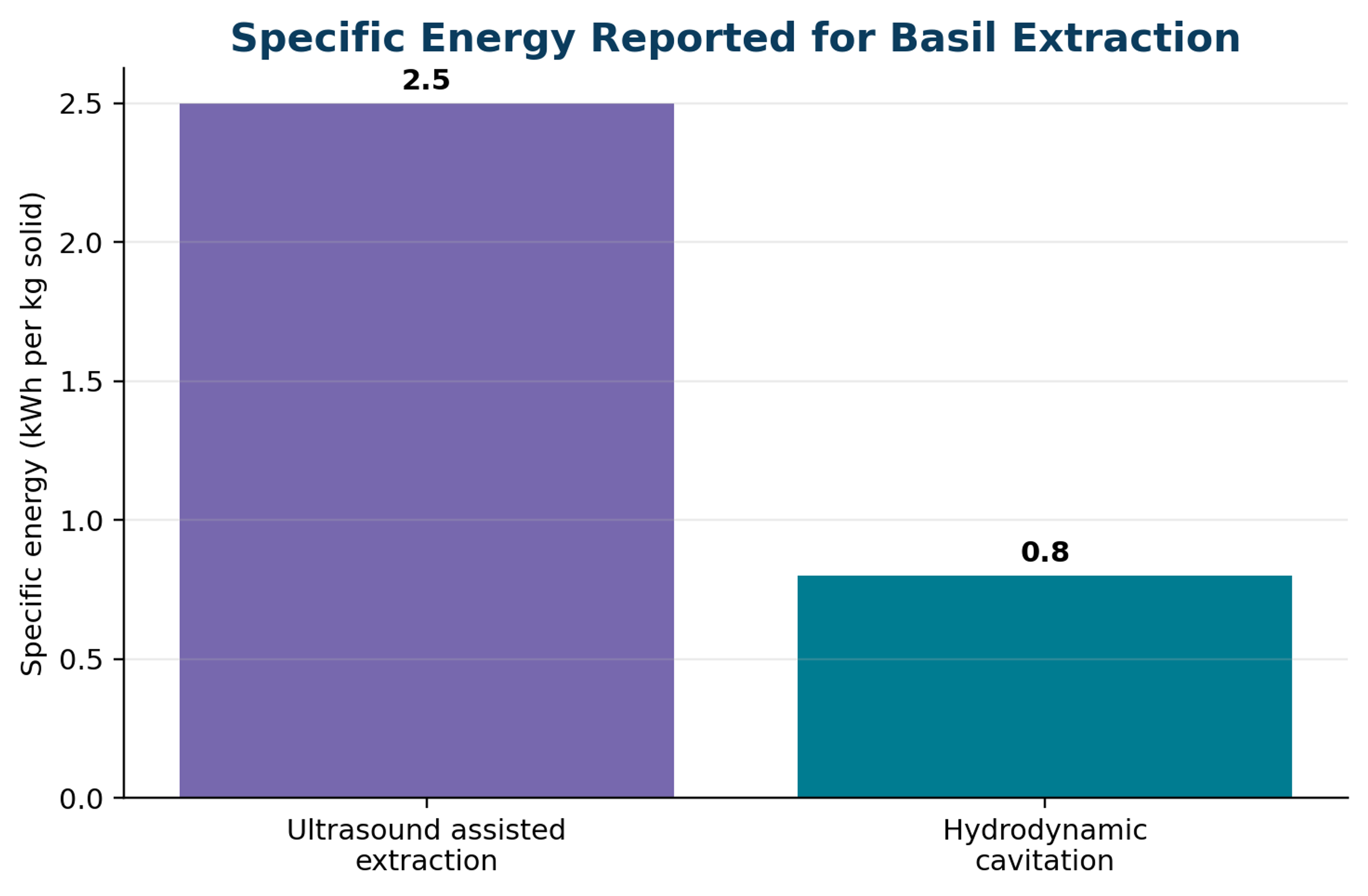
Figure 7.5. Specific energy reported for ultrasound assisted and hydrodynamic cavitation extraction of basil. [54].
In the basil case study reviewed by Wu and coworkers, exhaustive ethanol extraction gave the highest dry yield, while water based hydrodynamic cavitation gave lower yield than ultrasound. The cavitation route nevertheless required about 0.8 kWh per kilogram of solid compared with about 2.5 kWh per kilogram for ultrasound. The comparison illustrates that yield, solvent safety, extraction selectivity, energy, and downstream concentration must be evaluated together. A lower crude yield can be preferable when the desired compound is concentrated, water is the only solvent, and the extract requires less purification [54].
The review by Meneguzzo and coworkers emphasizes pilot scale water only operation, high solids loading, short residence time, and low water to biomass ratio. In many practical extraction trains, evaporation or drying consumes more energy than cavitation. Hydrodynamic cavitation may also form stable pectin, flavonoid, and terpene phytocomplexes and may influence protein polyphenol association, which can change apparent solubility, bioaccessibility, and ingredient functionality. These product effects require compositional, toxicological, and shelf life validation rather than extraction yield alone [55].
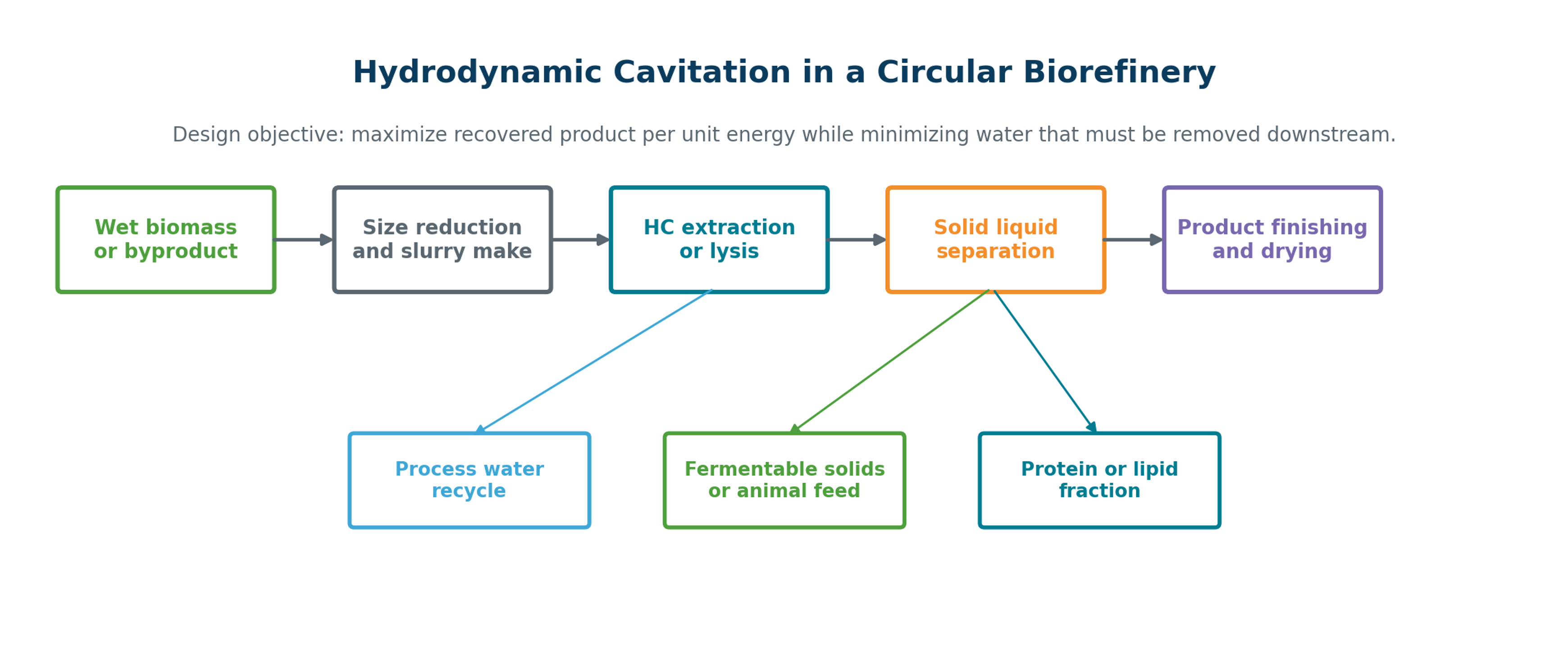
Figure 7.6. Integration of hydrodynamic cavitation into a circular biorefinery. [54,55].
7.5 Scale Up, Product Quality, and Process Integration
Scale up should preserve the local hydraulic event and the distribution of exposure while increasing throughput. Useful similarity variables include throat velocity, cavitation number calculated with stated pressure locations, Reynolds number, gas fraction, solids concentration, characteristic gap or throat geometry, and the ratio of loop volume to flow. Equal pressure drop does not guarantee equal treatment because cavity residence and collapse location change with scale.
A pilot program should close the mass balance around dry feed, clarified extract, residual solids, dissolved product, and cleaning losses. Product analysis should include target compound recovery, degradation markers, oxidation, molecular weight distribution where relevant, microbial status, color, aroma, functionality, and storage stability. Fouling and clean in place behavior must be evaluated with realistic biomass because a reactor that performs well in dilute laboratory suspensions may fail at industrial solids loading.
Table 7.1. Design priorities for biomass lysis and extraction
| Process objective | Primary response | Critical controls | Typical failure mode |
|---|---|---|---|
| Microalgae lipid recovery | Released lipid or extractable lipid fraction | Species, cell wall strength, solids loading, passes, temperature | High energy with incomplete rupture or oxidation of unsaturated lipids. |
| Protein recovery | Soluble protein and retained functionality | pH, temperature, shear exposure, proteolysis, residence time | Denaturation, foaming, or difficult solid liquid separation. |
| Polyphenol and pectin extraction | Target compound yield and antioxidant or functional response | Water to solid ratio, particle size, temperature, oxygen exposure | High water removal duty or degradation of sensitive compounds. |
| Lignocellulosic pretreatment | Accessible cellulose, delignification, enzymatic digestibility | Solids handling, alkali or enzyme integration, wear | Clogging, excessive fines, and incomplete separation of lignin. |
| Circular biorefinery integration | Recovered product value per unit feed and energy | Mass balance, coproduct use, water recycle, drying duty | Optimizing the cavitator while downstream concentration remains the dominant cost. |