
Technical publication
Back to publications
Industrial applications
Emerging Frontiers in Hydrodynamic Cavitation
okozyuk.com
Published
Read complete publication for whole-document Find and printing. Browser Find and native printing on this reader include only loaded content.
4 Aeration and Gas Liquid Contacting
4.1 Mechanism of Self Aspiration and Fine Bubble Generation
A cavitation aerator converts liquid pressure into a low pressure cavity, introduces air or oxygen into that cavity, and then disperses the gas during pressure recovery. In a Venturi or supercavitation device, the gas can be drawn in without a separate compressor when the throat pressure is sufficiently low. In vortex devices, gas may enter the central low pressure core and be broken into bubbles by shear and turbulent pressure fluctuations. The active device therefore performs gas induction, primary breakup, and hydraulic mixing in a single flow path [15-17].
The gas transfer benefit is governed not by collapse alone but by bubble size distribution, gas holdup, circulation, and renewal of the gas liquid interface. Small bubbles provide high interfacial area but rise slowly and may coalesce, whereas larger bubbles provide greater circulation and buoyant transport but less area per unit gas volume. Practical aeration and flotation systems can therefore benefit from a polydisperse bubble population.
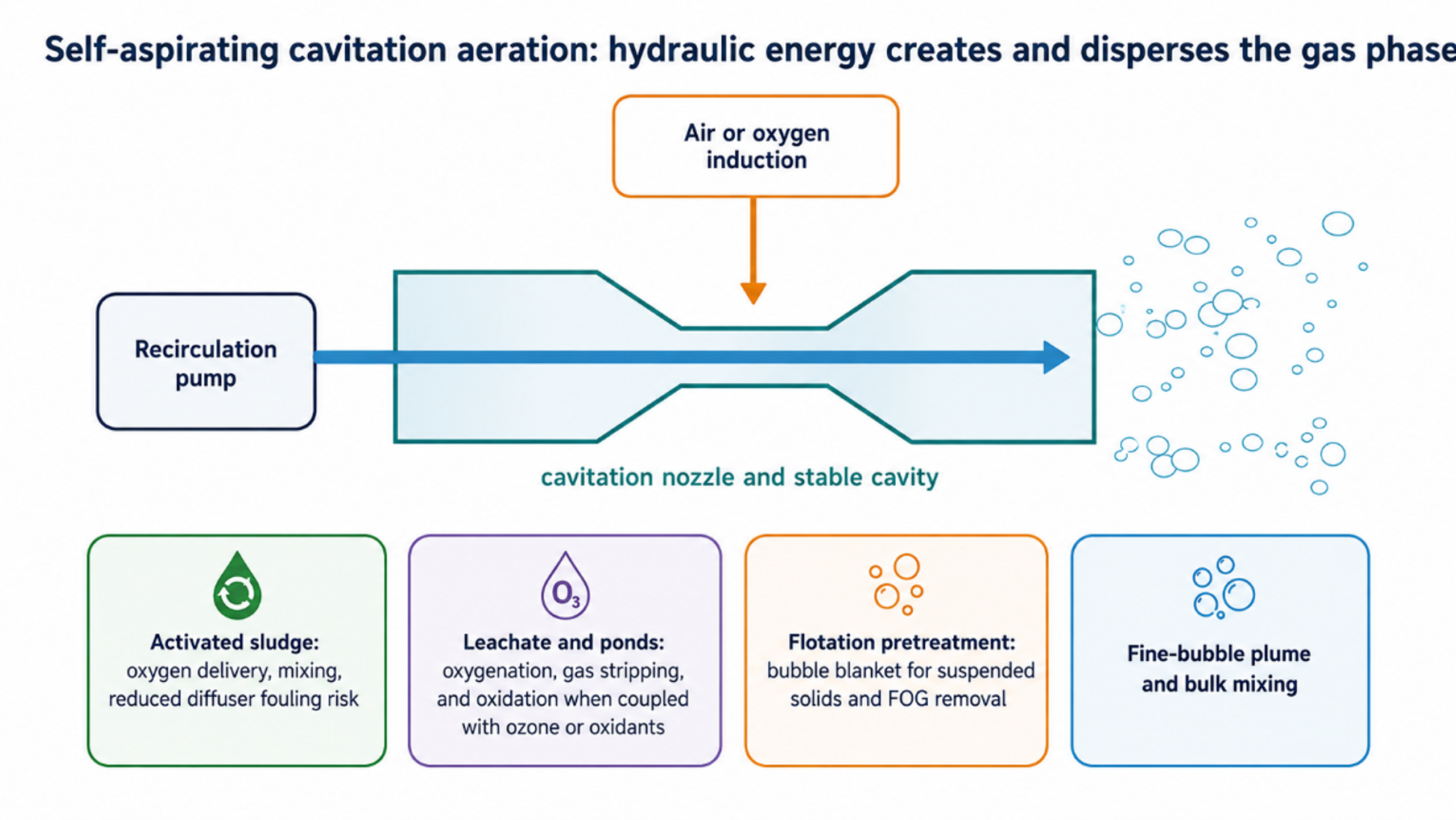
Figure 4.1. Self-aspiration cavitation aeration: hydraulic energy creates and disperses the gas phase. [15-17].
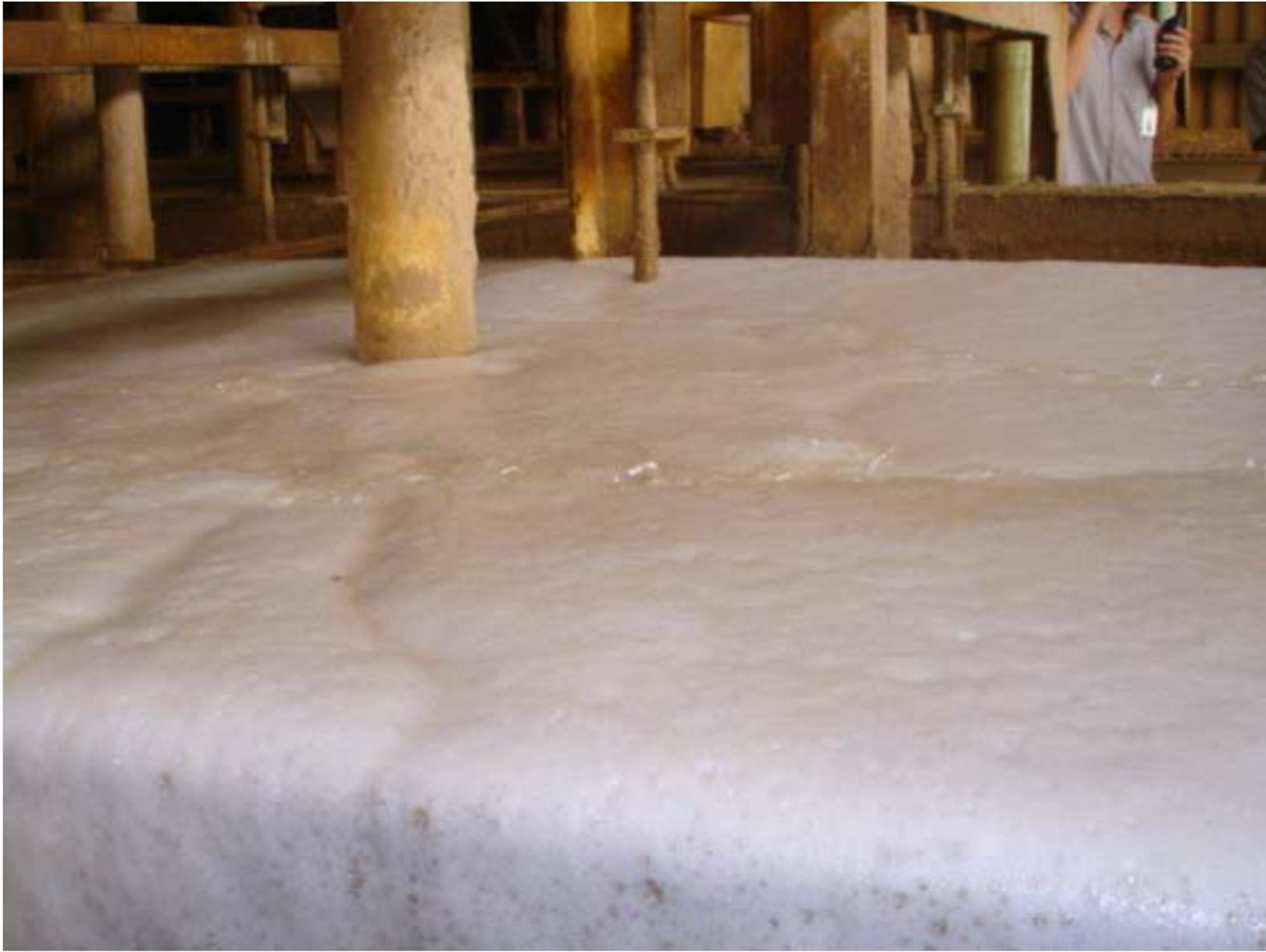
Figure 4.2. Dense bubble blanket generated by a cavitation sparging system in an industrial flotation or aeration vessel. [25].
4.2 Oxygen Transfer Equations and Performance Metrics
The transient dissolved oxygen balance in a well-mixed aerobic basin includes transfer from the bubbles and consumption by the biomass. For clean water testing, oxygen uptake is omitted and the exponential approach to saturation is used to estimate kLa. Wastewater correction factors are then applied for salinity, temperature, surfactants, solids, and the ratio between process water and clean water mass transfer. The mass balance governing dissolved oxygen dynamics in the system is expressed as:
is dissolved oxygen concentration, is the equilibrium concentration under the prevailing gas composition and pressure, is the volumetric mass transfer coefficient, and OUR is volumetric oxygen uptake rate.
This clean water form is used to fit transient aeration data when OUR is negligible.
OTR is oxygen transfer rate and V is liquid volume. Standard aeration efficiency () is defined as:
Standard aeration efficiency (SAE) is standardized oxygen transfer rate divided by electrical power, commonly reported as kg O2/kWh.
The alpha factor α accounts for the effect of process water, surfactants, solids, and biomass on mass transfer. Beta and temperature corrections are also required for rigorous standardization.
The 2009 supercavitation report described a 15 kW Cav Jet installed in a domestic activated sludge basin. The supplementary pure oxygen demand reportedly declined from about 1200 to 600 m³/d during one operating period and from about 1000 to 300 m³/d in a second period, while the treatment plant continued to meet its reported carbon and nitrogen performance. The authors estimated approximately 2.5 kg O2/kWh, comparable to membrane diffusers under the cited conditions [15]. These field observations are valuable but should be interpreted with caution because the plant contained multiple aeration systems and the trials did not isolate every operating variable. The same report noted that point DO probes showed lower concentrations during Cav Jet operation than conventional aeration, even though long term oxygen demand decreased. This discrepancy reinforces the need for off gas testing, basin wide DO mapping, OUR measurement, and standardized oxygen transfer testing.
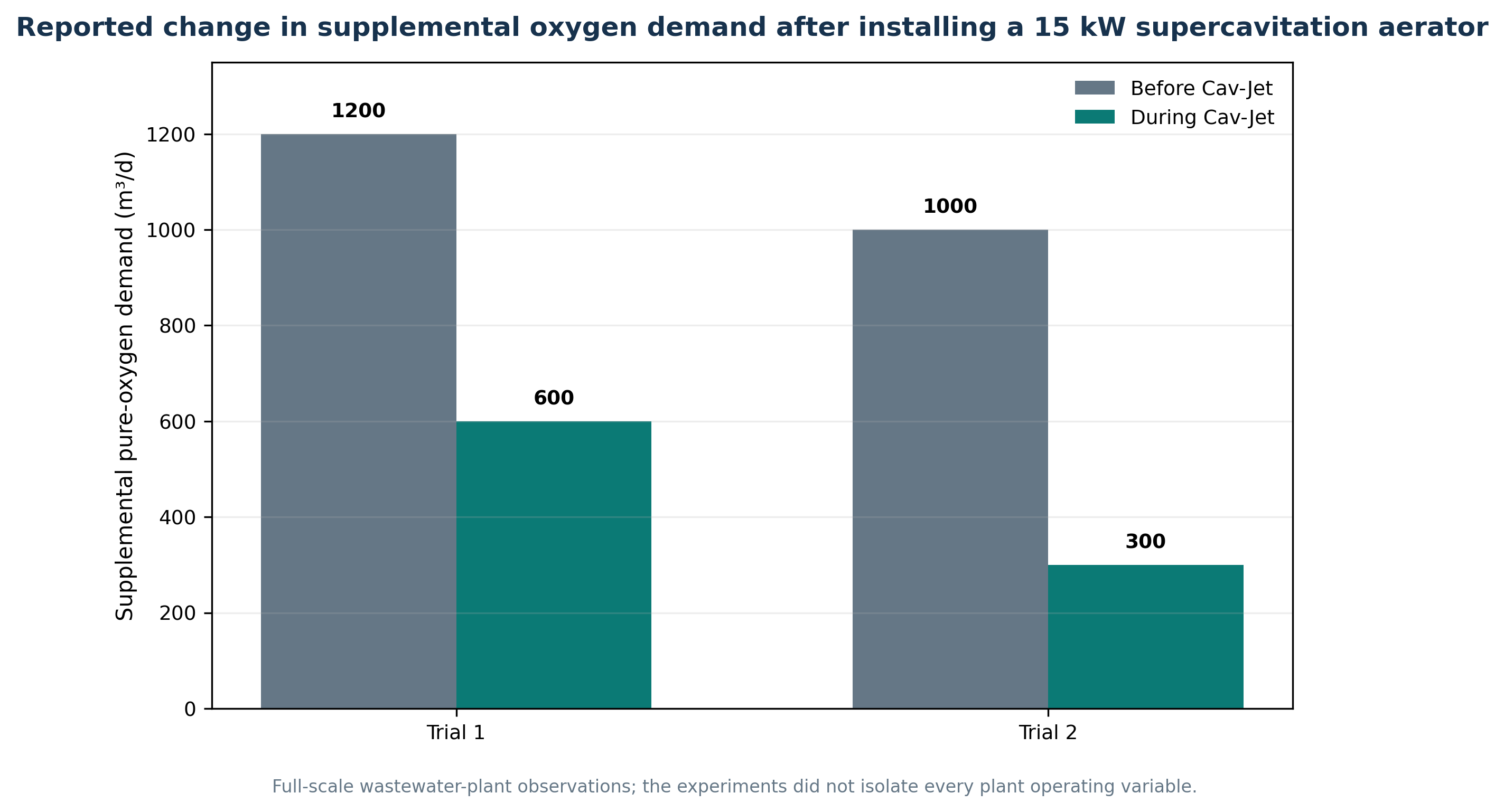
Figure 4.3. Reported change in supplemental pure oxygen demand after installation of a 15 kW supercavitation aerator. [15].
Recent vortex device experiments explicitly separated degassing from aeration. Nayak, Ganjare, and Ranade showed that circulating saturated water through the vortex device without air reduced dissolved oxygen and that the degassing rate increased with pressure drop. When air was introduced, the same device accelerated aeration, produced effective kLa values up to approximately 70 h⁻¹ in the reported apparatus, and achieved dissolved oxygen concentrations above atmospheric equilibrium because bubbles were generated and pressurized within the circulating system [17]. The result demonstrates that cavitation can either remove dissolved gas or intensify gas absorption depending on gas injection and boundary conditions.
4.3 Wastewater Pretreatment and Cavitation Air Flotation Clarifiers
In cavitation air flotation (CAF), the cavitation device is principally a bubble generation and contacting stage. It does not replace equalization, screening, coagulation, flocculation, hydraulic separation, skimming, or sludge handling. The feed is conditioned so that fibers, proteins, fats, oil droplets, dye aggregates, or other suspended matter can attach to bubbles. The bubble particle aggregates rise into a float blanket that is mechanically removed. A high energy contactor and a low turbulence separator are therefore arranged in series [23-30].
For pulp mills, the bubble blanket captures fibers and mineral fillers from whitewater and permits reuse of clarified water. For slaughterhouses and food plants, the principal target is fats, oils, grease, blood solids, and proteins that otherwise impose a high BOD and COD load on biological treatment. In refinery and petrochemical service, free oil is normally removed upstream by gravity, while flotation targets dispersed and chemically destabilized droplets. The term CAF clarifier should not imply that raw emulsions can be separated without chemistry. Stable emulsions often require pH adjustment, coagulant, cationic polymer, or emulsion breaker before microbubbles can produce a removable float.
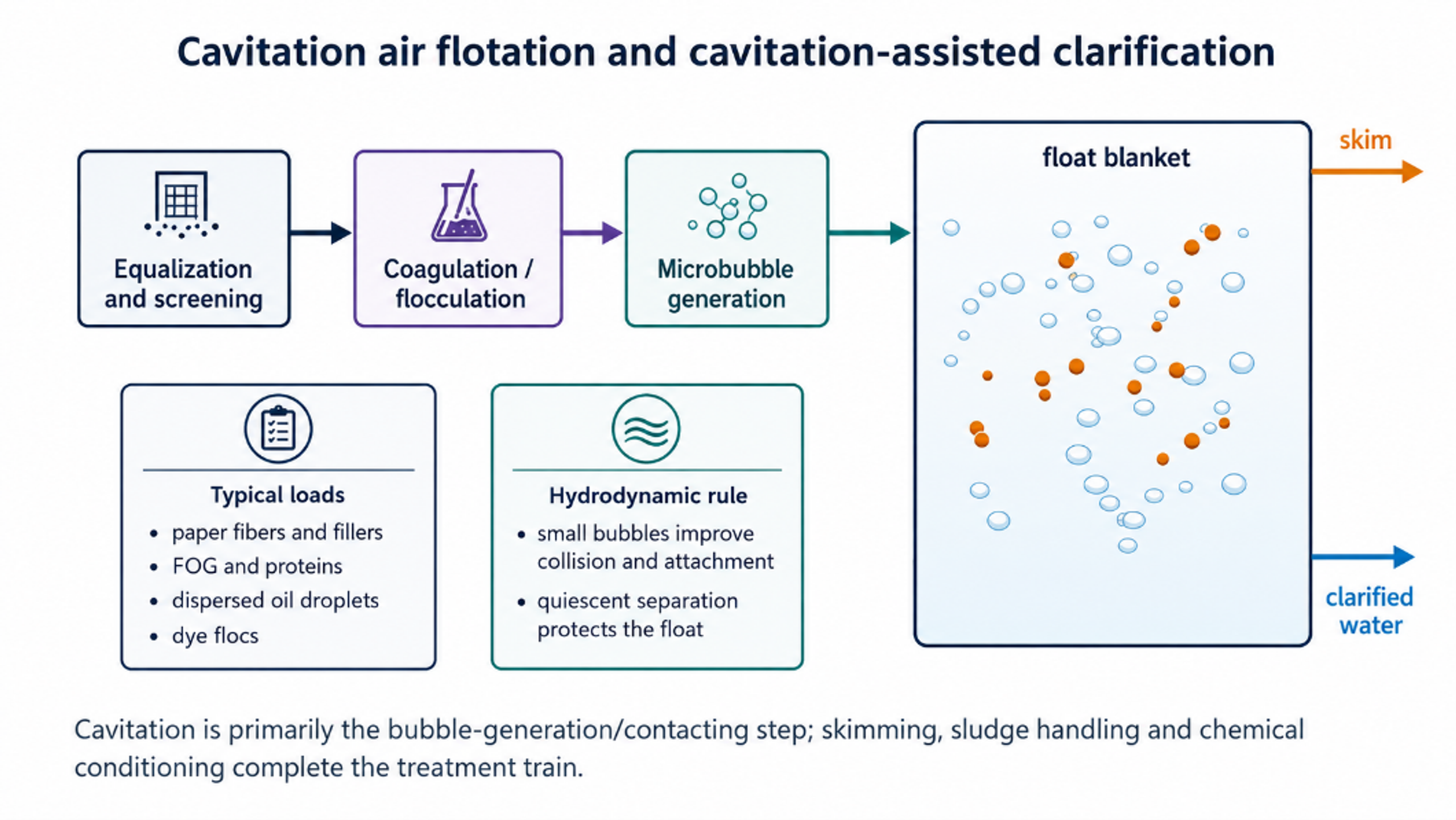
Figure 4.4. Cavitation air flotation and cavitation assisted clarification. [23,27-33].
4.4 Biological Activated Sludge Basins
Activated sludge requires oxygen for carbon oxidation and nitrification and hydraulic energy to suspend biomass and distribute substrate. A cavitation aerator can supply both, but the design objective is not maximum collapse intensity. Excessive localized shear can fragment flocs, increase turbidity, or expose cells to repeated stress, whereas insufficient basin circulation produces solids deposition and low DO zones. The preferred design creates the fine bubble plume in the hydraulic device and dissipates the bulk of the jet momentum in a controlled mixing pattern.
Control should be based on process demand rather than a fixed pump speed. Useful signals include basin DO at multiple elevations, ammonia, oxidation reduction potential, airflow or aspirated gas flow, pump pressure, mixed liquor suspended solids, sludge volume index, and OUR. In nutrient removal plants, continuous high DO can be undesirable because anoxic zones are required for denitrification. The aerator should therefore be integrated with process zoning and ammonia- or DO based control rather than operated as an isolated oxygen generator.
4.5 Eutrophic Ponds and Lake Remediation
Floating or shore mounted cavitation stations can recirculate oxygen depleted water, aspirate air or oxygen, and return a microbubble plume. The immediate benefits can include higher DO, water column circulation, reduced hydrogen sulfide and odor, and lower acute fish kill risk. When ozone is injected, cavitation can improve ozone dispersion and utilization and contribute additional oxidation. At pilot scale, Li and coworkers reported chlorophyll a removal of 78.8% for HC/O3 compared with 62.3% for ozone alone, ozone utilization of 94.8% compared with 64.5%, and total energy of 8.25 versus 8.89 kWh/m³ [18].
Zhu et al. evaluated a 3300 m² semi enclosed area of Taihu Lake using light modulation, hydrodynamic cavitation, air nanobubbles, and ozone nanobubbles. Treatment reduced algal indicators and odor compounds, but sediment resuspension increased total phosphorus, and the authors reported ecological and microbial community effects [19]. The result illustrates an important limitation: oxygenation and algal destruction do not remove the watershed nutrient inventory. Lake deployment therefore requires sediment assessment, mixing zone analysis, ozone residual control, organism exposure evaluation, and continuous dissolved oxygen and temperature profiling.
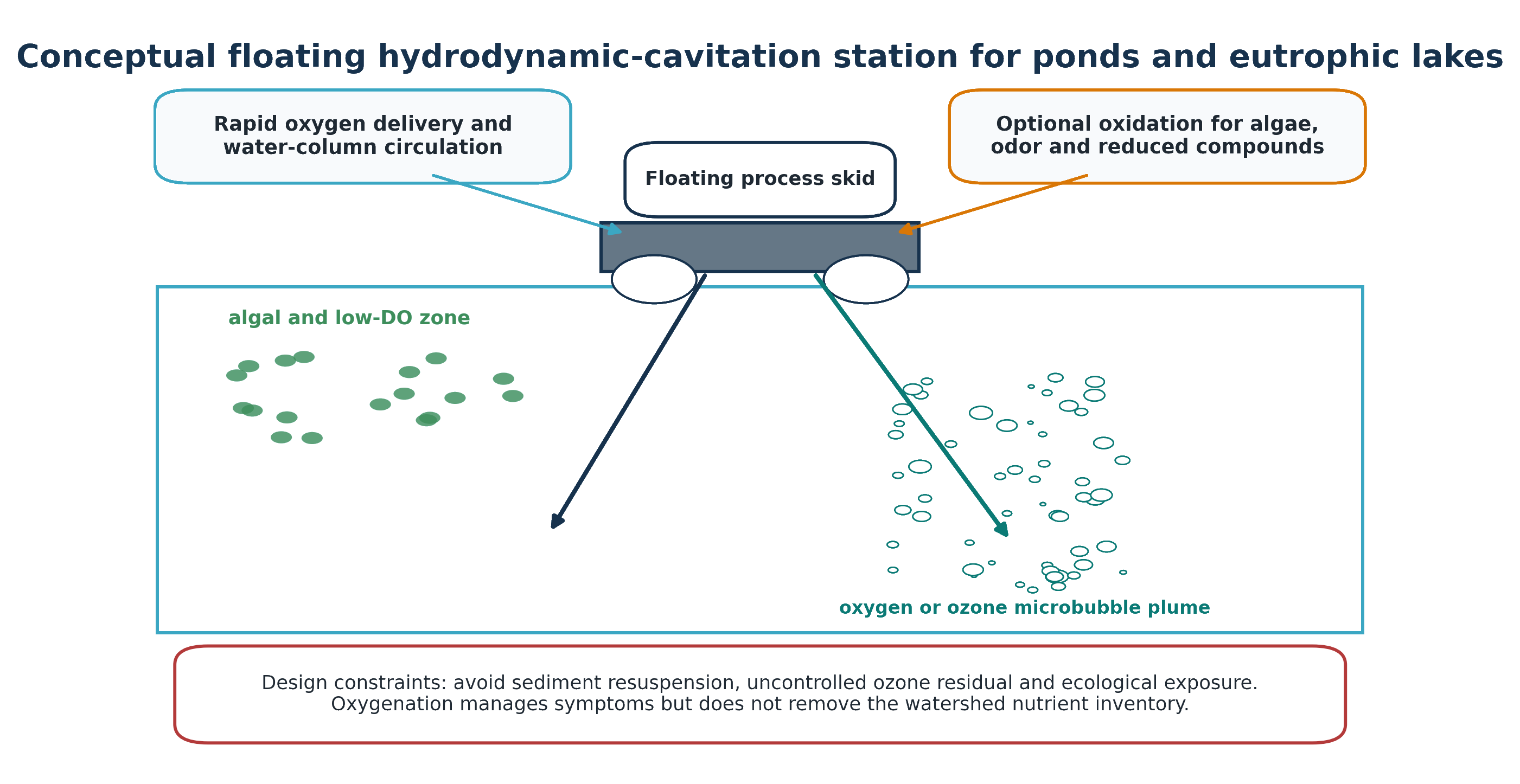
Figure 4.5. Conceptual floating hydrodynamic cavitation station for ponds and eutrophic lakes. [18,19].
4.6 Leachate Aeration, Oxidation, and Odor Control
Landfill leachate basins contain refractory organics, ammonia, reduced sulfur, dissolved metals, and volatile compounds. Aeration can oxidize reduced species and strip volatile gases, but it can also transfer odor and volatile compounds to the gas phase. Hydrodynamic cavitation is therefore better viewed as a pretreatment and gas liquid contactor than as an uncontained stripping method. The off gas stream requires downstream treatment, and foam control is normally necessary.
Hydrodynamic cavitation alone has generally produced modest changes in mature landfill leachate. Bis et al. increased the BOD5/COD biodegradability index from 0.046 to 0.056 after 30 passes, indicating transformation rather than complete treatment [20]. Hybrid oxidation produced stronger responses: HC with potassium ferrate removed 51.69% COD, 65.14% UV254, and 38.53% TOC under the reported optimum, while BOD5/COD increased from 0.362 to 0.61 [21]. Coagulation followed by HC/ClO2 achieved 83.58% COD removal in another study [22]. These results support cavitation as a reaction intensification stage before biological treatment, not as an uncontained atmospheric stripping process.
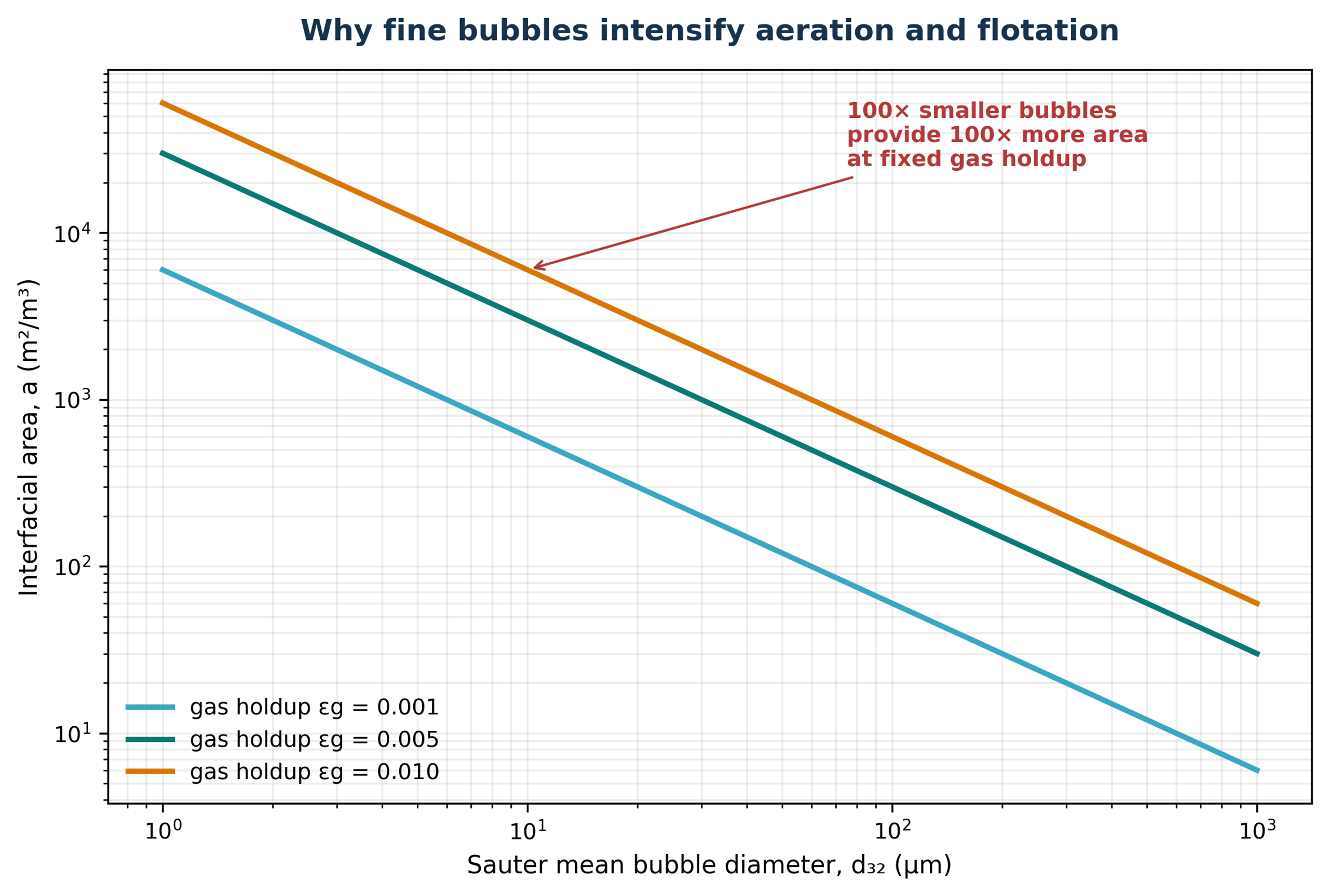
Figure 4.6. Why fine bubbles intensify aeration and flotation.
Table 4.1. Application specific design priorities for cavitation aeration
| Application | Primary objective | Critical measurements | Main failure modes |
|---|---|---|---|
| Activated sludge | Oxygen transfer and solids suspension | kLa or SOTR, SAE, DO profile, OUR, NH4 N, MLSS | Poor circulation, floc breakup, excessive energy, foam, inadequate anoxic zoning |
| CAF pretreatment | Bubble contaminant contact and float formation | Bubble size, recycle ratio, coagulant dose, surface loading, float solids | No flocculation, excessive turbulence in separator, weak skimming, recycle solids |
| Ponds and lakes | DO recovery, circulation, optional oxidation | Vertical DO/temperature, chlorophyll a, ozone residual, sediment turbidity | Sediment resuspension, ozone exposure, nutrient release, uneven circulation |
| Leachate basins | Pretreatment, oxidation, odor reduction | COD, BOD5/COD, ORP, NH3, H2S/VOC off gas, foam | Air emission, refractory residuals, corrosive gas, uncontrolled foam |