
Technical publication
Back to publications
Reactors & equipment
Cavitation Driven Exfoliation of Graphene and Two Dimensional Materials
okozyuk.com
Published
Read complete publication for whole-document Find and printing. Browser Find and native printing on this reader include only loaded content.
7 Rapid Decompression, Waterjet, and Patent Defined Architectures
Rapid decompression overlaps with hydrodynamic cavitation but emphasizes a very rapid transition from a compressed suspension to a low pressure region. Pressure retained in liquid filled defects and pores can assist expansion, while constrictions generate high velocity jets and bubbles. Patent literature describes serial or parallel local restrictions, rotating cavitation zones, and pulsed or cavitating waterjets. Patent claims and examples should be treated as technical disclosures rather than as independent validation of commercial performance.
U.S. Patent 9,845,244 B2 describes compression followed by decompression to less than 20 percent of the compression pressure in less than 2 × 10⁻⁶ s to generate a cavitation event. An example table reports increasing one pass and five pass yields as compression pressure increases from 2,000 to 24,000 psi. The highest listed five pass value is 1.47 percent at 24,000 psi, while the specification discusses higher estimated yield after additional recirculation and optimization [23].
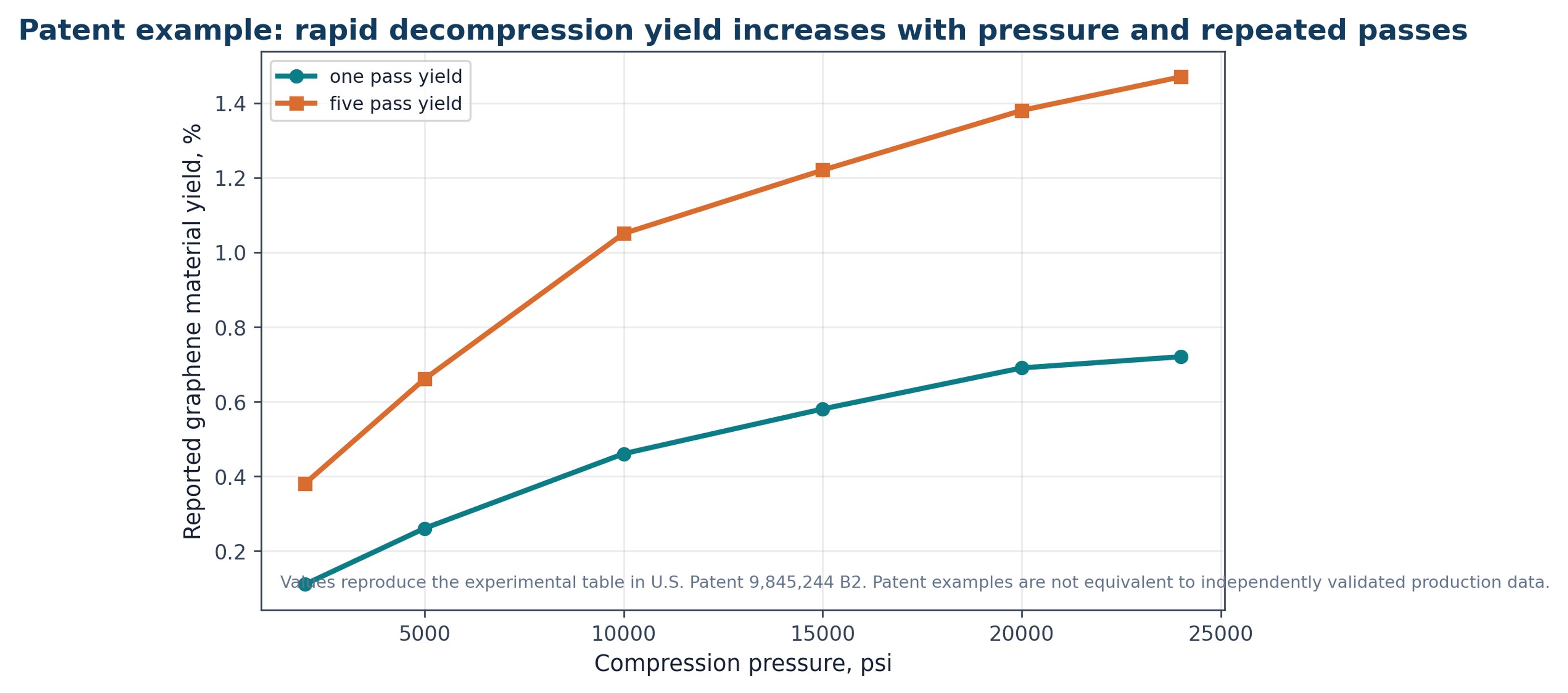
Figure 7.1. Reported yield values in the rapid decompression example [23].
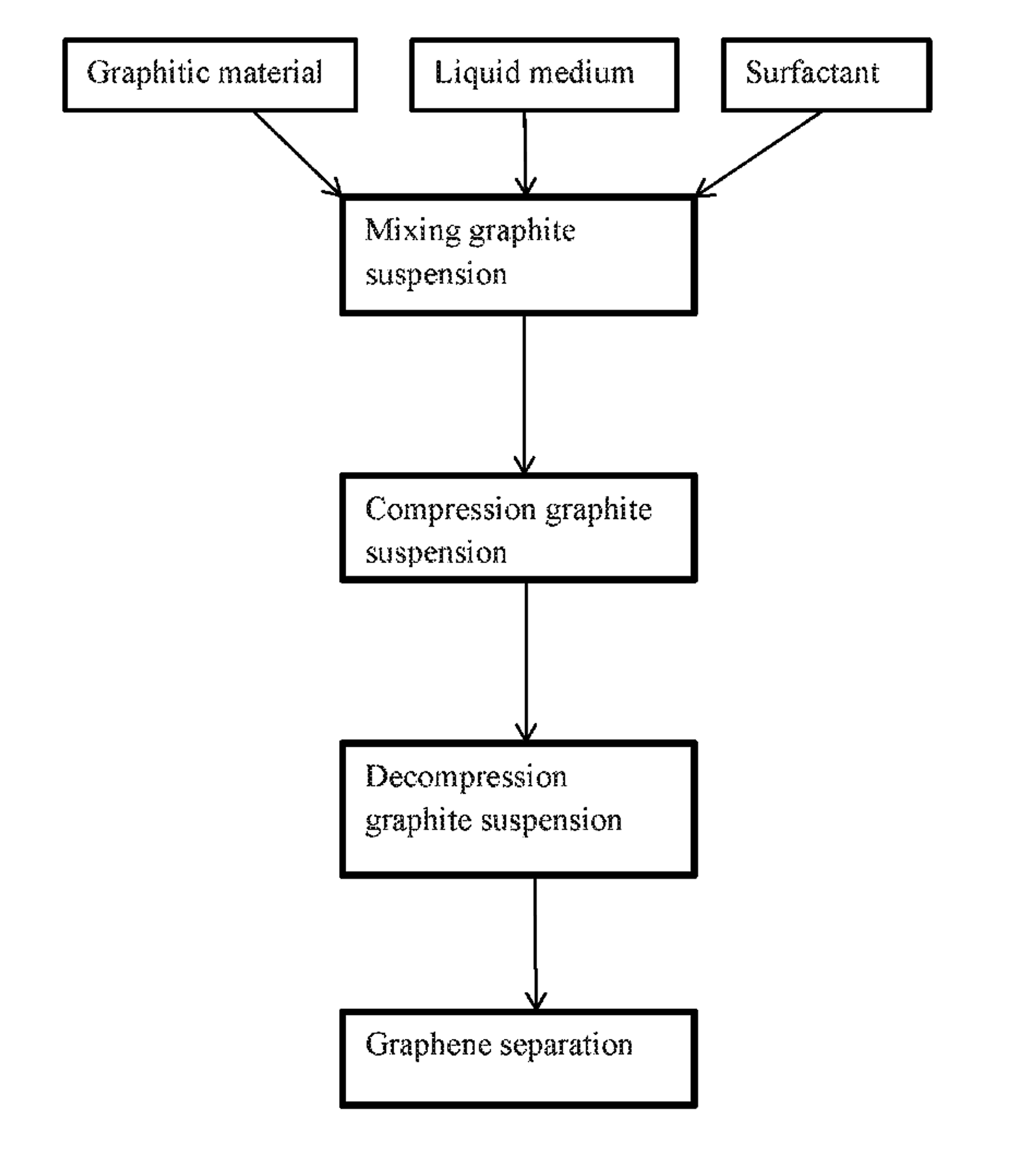
Figure 7.2. Patent flow diagram for mixing, compression, rapid decompression, and product separation [23].
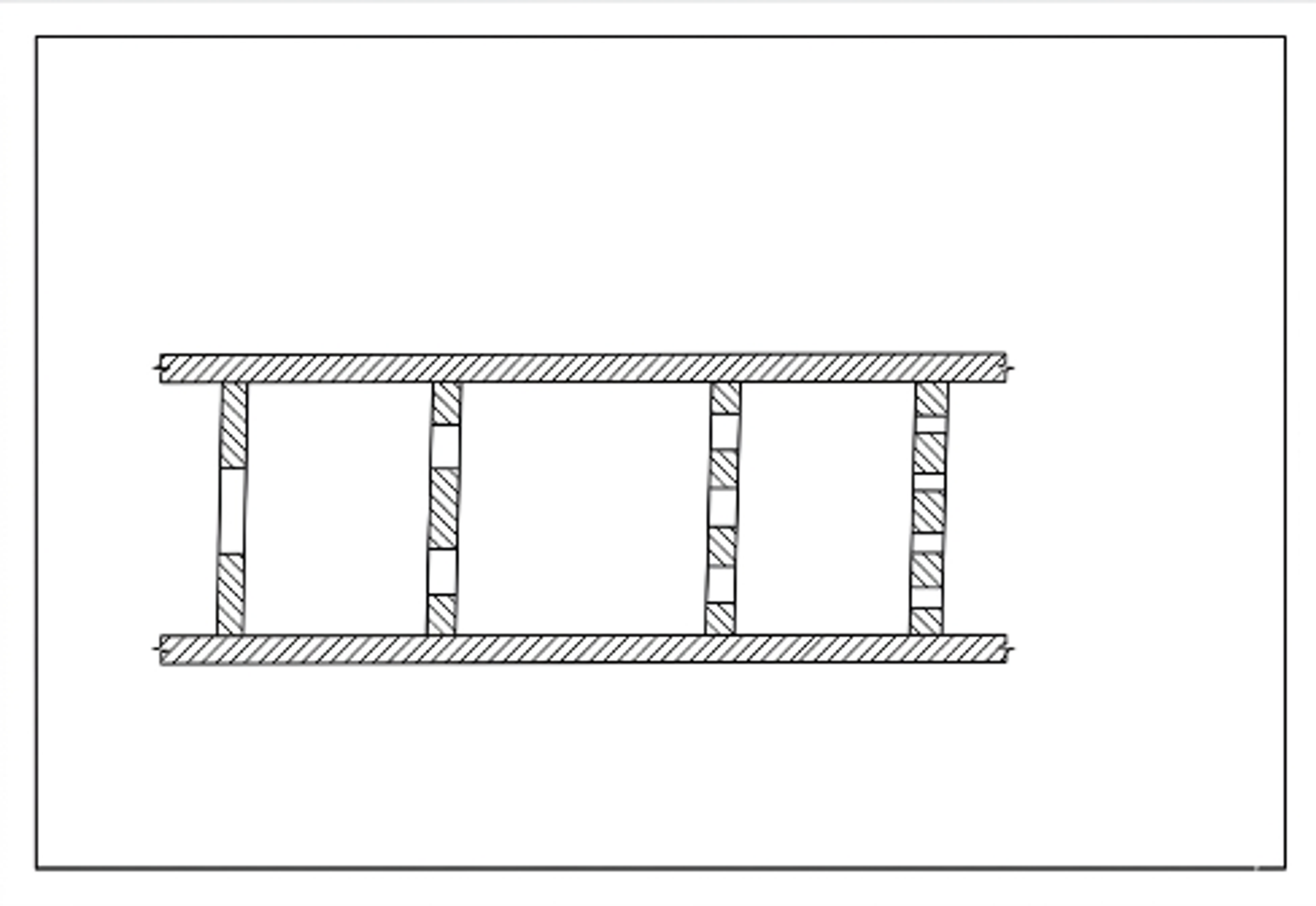
Figure 7.3. Schematic local restriction architecture for rapid decompression treatment [23].
U.S. Patent 9,315,388 B2 describes production and possible concurrent functionalization in a controlled cavitating fluid. U.S. Patent Application 2018/0009667 describes high pressure or pulsed waterjet injection into an exfoliation chamber followed by filtration and collection [22,24]. The disclosed approaches overlap functionally but differ in reactor geometry, feed introduction, cavitation generation, and downstream handling.
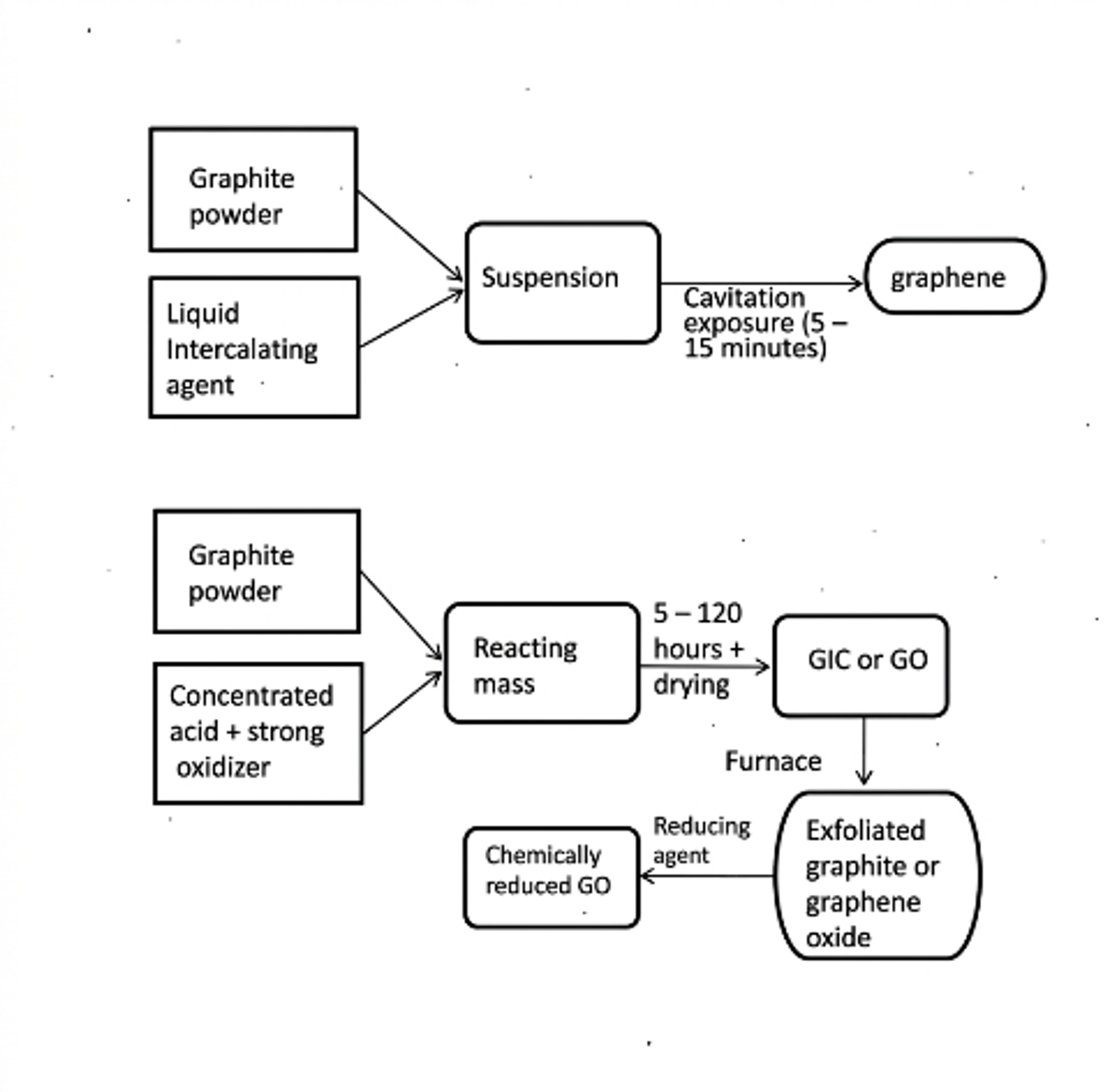
Figure 7.4. Patent comparison of a short cavitation exposure route with a longer oxidation and thermal route [22].
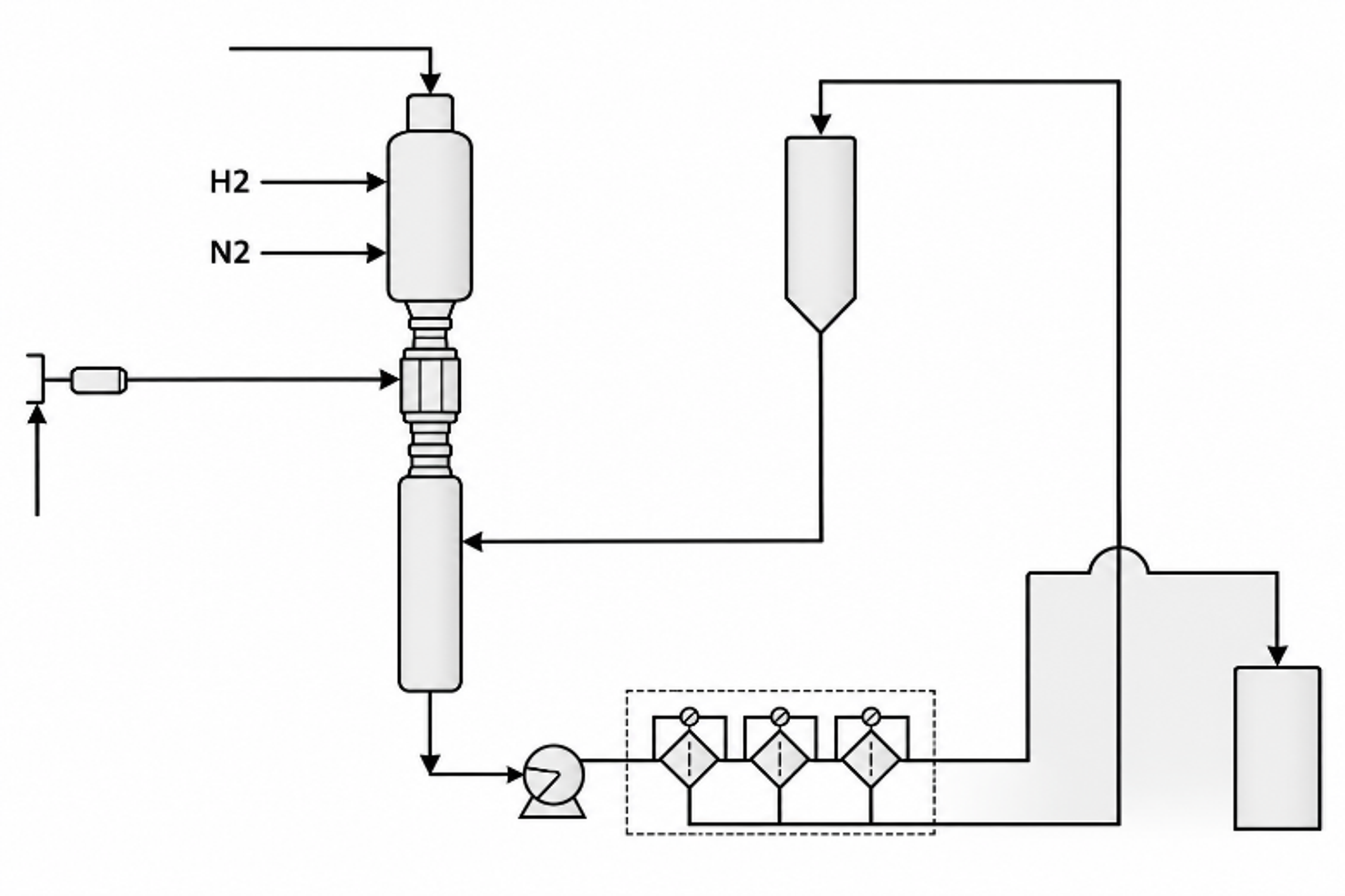
Figure 7.5. Pulsed or cavitating waterjet graphene preparation system with exfoliation chamber, separation, and collection [24].