
Technical publication
Back to publications
Industrial applications
Vegetable Oil Refining, Biodiesel, and Oleochemical Conversion
okozyuk.com
Published
Updated
Read complete publication for whole-document Find and printing. Browser Find and native printing on this reader include only loaded content.
10 Economics and Sustainability
10.1 Sources of recoverable value
Economic value can come from higher recovered oil or biodiesel, lower acid, caustic, enzyme, catalyst, alcohol, water, adsorbent, or filter aid, shorter residence time, more capacity through an existing bottleneck, lower wastewater or solid waste, reduced heating, fewer off specification batches, and avoided expansion capital. Yield is often the largest term at high throughput and also the term most vulnerable to measurement bias.
Energy per ton of on specification product is more meaningful than pump energy per batch:
A simplified annual net value is:
Simple payback is:
Net present value over N years at discount rate r is:
Reported paybacks below one year are possible when yield, chemicals, water, and capacity improve simultaneously. The calculation must be rebuilt with site specific oil value, operating hours, actual chemical concentration, measured power, maintenance, replacement parts, and confidence intervals.
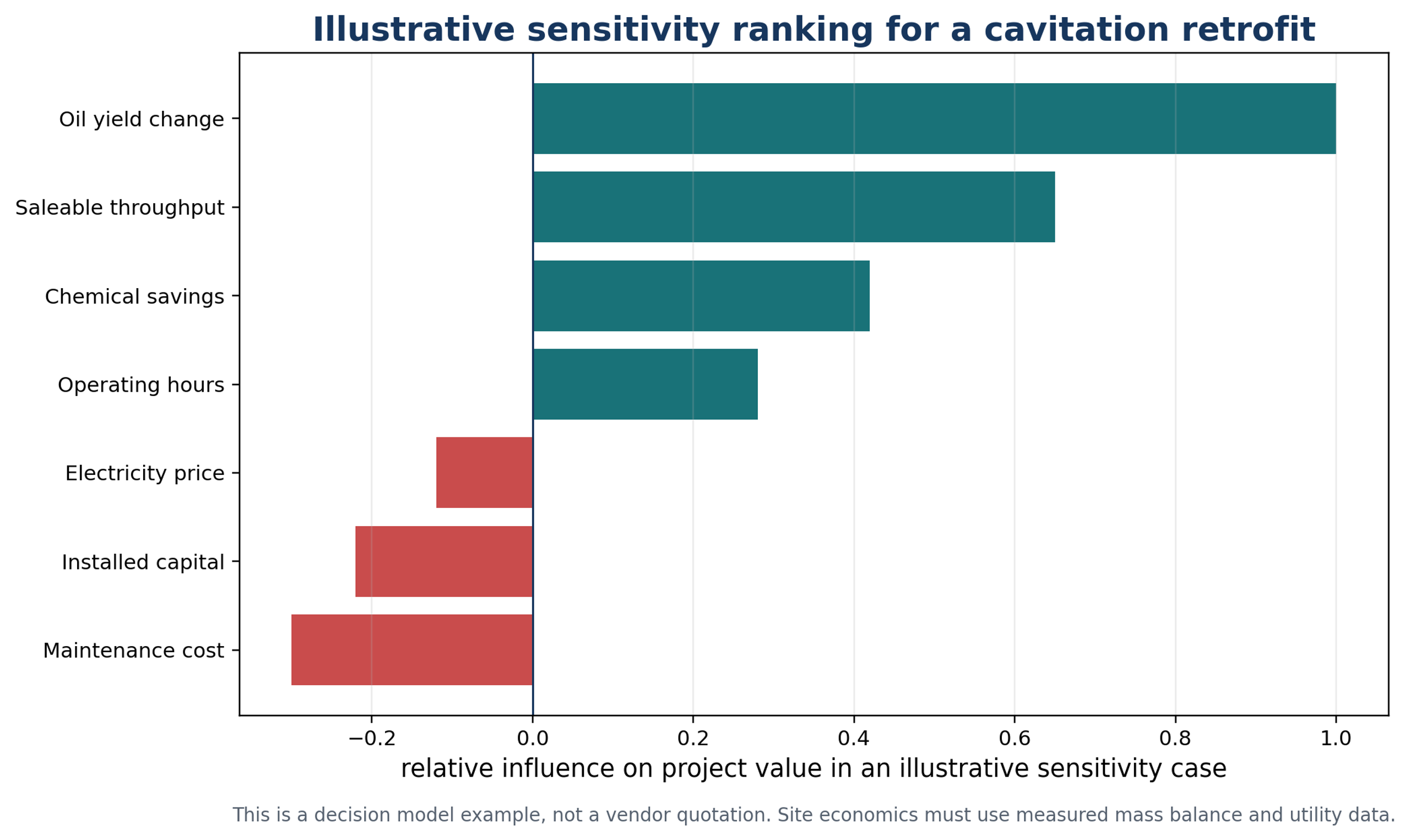
Table 10.1. Economic and sustainability accounting boundary.
| Term | Potential benefit | Required evidence |
|---|---|---|
| Product yield | More refined oil or on specification biodiesel | Closed material balance corrected for water and inventory |
| Chemicals | Lower acid, base, enzyme, catalyst, alcohol, or adsorbent | Concentration corrected mass use per tonne |
| Water and waste | Lower wash water, wastewater, gums, soapstock, or spent earth | Measured flow and disposal or treatment cost |
| Capacity | More saleable product through existing plant | Downstream equipment remains within quality and loading limits |
| Energy | Lower heating or mixing, offset by pump and cooling | Calibrated motor and utility meters |
| Maintenance | Long wear life or reduced fouling | Inspection history, replacement interval, downtime |
| Coproducts | Lecithin, gums, glycerol, fatty acids | Actual recoverable value and quality |
| Environmental impact | Lower chemicals, water, waste, and product loss | Functional unit of one tonne on specification product |
10.2 Sustainability interpretation
Hydrodynamic cavitation improves sustainability when reductions in chemical manufacture, water, wastewater, product loss, heating, and new tank volume exceed additional electricity and equipment replacement. It can worsen sustainability when a persistent emulsion increases waste, electricity has high carbon intensity, erosion causes frequent replacement, or oxidation shortens product life. The functional unit should be one tonne of on specification refined oil or biodiesel, not one ton of feed. This credits yield and penalizes off specification output.