
Technical publication
Back to publications
Industrial applications
Vegetable Oil Refining, Biodiesel, and Oleochemical Conversion
okozyuk.com
Published
Updated
Read complete publication for whole-document Find and printing. Browser Find and native printing on this reader include only loaded content.
11 Equipment, Materials, Maintenance, and Safety
11.1 Pump selection and unwanted pump cavitation
Process cavitation should occur inside the intended device, not at the pump inlet. Net positive suction head available must exceed the required value over the full temperature, viscosity, tank level, gas content, and strainer condition range. A hot feed, low tank level, undersized suction line, fouled strainer, or volatile alcohol can initiate pump cavitation, causing unstable flow, noise, vibration, and impeller damage. Positive displacement pumps require relief protection. Centrifugal pumps should operate in a stable efficiency region and should not rely on uncontrolled throttling to create the process effect.
11.2 Erosion, corrosion, and materials
Cavitation erosion results from repeated pressure pulses and liquid jets near the surface. Resistance depends on hardness, toughness, microstructure, residual stress, corrosion environment, temperature, and collapse location. Austenitic stainless steels are common in food and biodiesel service, but no material is immune under sufficiently severe conditions. Replaceable inserts, hardened surfaces, cobalt or nickel alloys, and geometry that moves collapse away from walls can extend life.
ASTM G32 provides a vibratory apparatus method for comparative cavitation erosion testing, while ASTM G134 uses a cavitating liquid jet [35,36]. Neither reproduces every process chemistry or geometry. A practical program combines material screening, CFD identification of pressure recovery zones, pilot insert inspection, metal particle monitoring, and scheduled thickness or mass loss measurements. Acid, caustic, chlorides, methanol, water, and elevated temperature can create corrosion erosion synergy.
11.3 Food hygiene, cleanability, and compatibility
Edible oil equipment should avoid dead legs, crevices, uninspectable cavities, and product contaminating materials. The device should drain where practical and be included in cleaning validation. Vendor materials report anti plugging designs and limited need for clean in place on certain installations, but this must be verified for the actual solids and gum load [18,19,21,30,37].
Biodiesel and methanol require compatible seals, gaskets, hoses, coatings, and electrical classification. NREL guidance notes that material compatibility depends on biodiesel concentration, oxidation state, and exposure time; fluoropolymers and selected elastomers are commonly preferred, while certain natural rubbers, nitrile compounds, polypropylene, and reactive metals can be unsuitable in some service conditions [4]. Methanol containment, ventilation, grounding, bonding, relief, and fire protection must be addressed by the plant safety design.
11.4 Instrumentation and hydraulic fingerprint
Minimum instrumentation includes calibrated flow, inlet and outlet pressure, backpressure, temperature, motor power, reagent flow and concentration, vibration, and alarms for low suction pressure or high temperature. A hydraulic fingerprint records pressure drop, flow, power, temperature rise, vibration, and product response at an accepted operating point. Drift in this fingerprint can reveal erosion, plugging, valve movement, pump wear, gas ingress, or feed property changes before product becomes off specification.
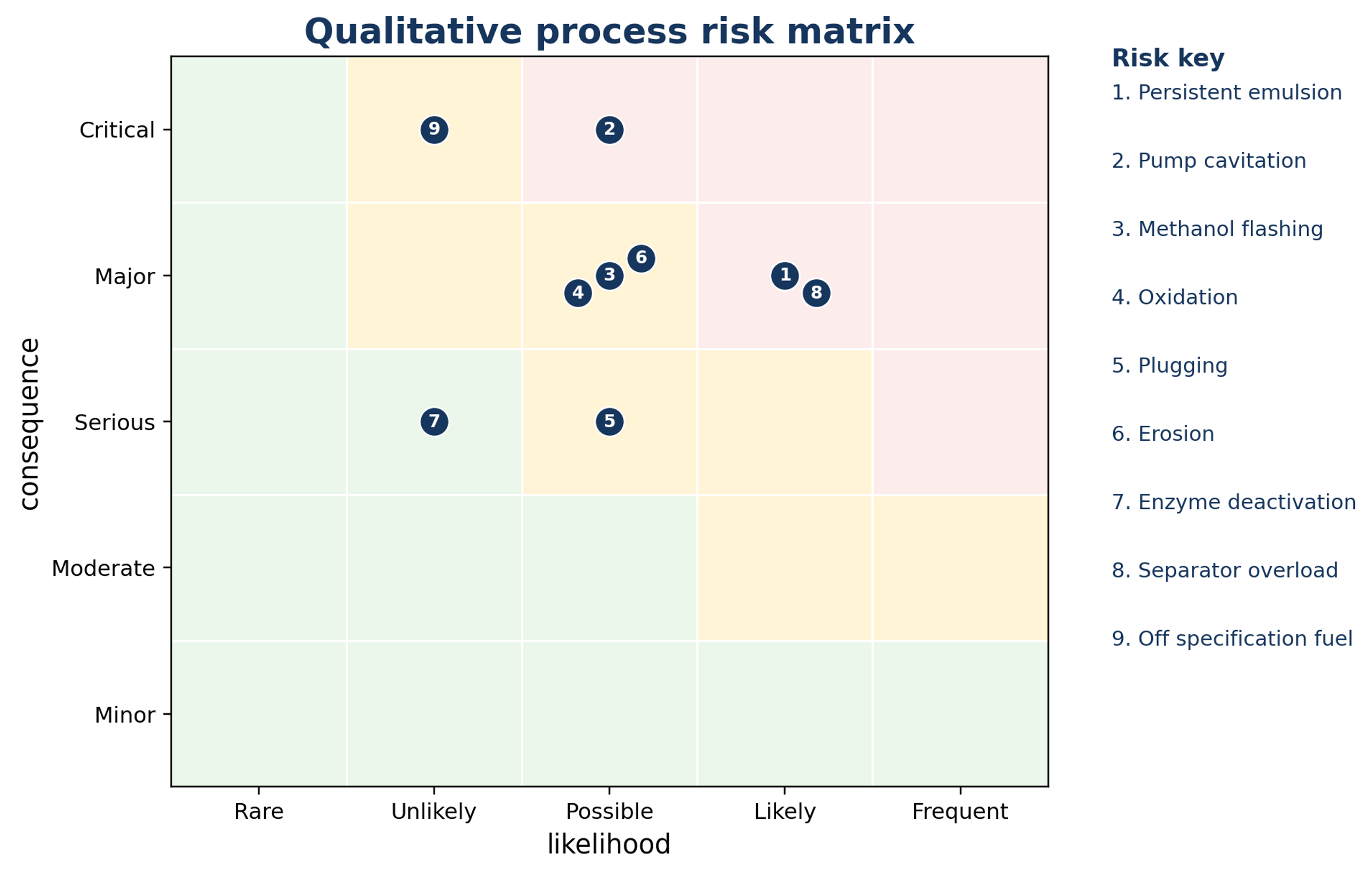
Table 2.1. Primary failure modes and controls.
| Failure mode | Process consequence | Detection | Control |
|---|---|---|---|
| Pump inlet cavitation | Unstable flow and pump damage | Suction pressure, vibration, noise | NPSH margin, suction line design, level interlock |
| Overemulsification | High oil loss and centrifuge overload | Droplet size, turbidity, separator torque | Lower dose, shorter contact, controlled hold |
| Methanol flashing | Loss of liquid alcohol and pressure instability | Temperature and pressure trend, vent load | Backpressure, cooling, vapor recovery |
| Oxidation | Lower stability, color, flavor, or fuel life | Peroxide markers and induction period | Oxygen control, lower dose, lower temperature |
| Erosion | Pressure drift and metal contamination | Power trend, inspection, metal particles | Replaceable wear parts and controlled collapse location |
| Plugging | Increasing pressure and unstable flow split | Differential pressure | Filtration, larger passages, cleaning plan |
| Reagent dosing error | Incomplete conversion or side reactions | Mass flow ratio and analytical endpoint | Concentration verification and interlocks |
| Separator overload | High light phase loss or off specification oil | Heavy phase flow, torque, outlet analysis | Reduce feed or heavy phase load and allow coalescence |