
Technical publication
Back to publications
Industrial applications
Hydrodynamic Cavitation in Food and Fermentation Processing
okozyuk.com
Published
Read complete publication for whole-document Find and printing. Browser Find and native printing on this reader include only loaded content.
4 Juice and Milk
4.1 Fruit and vegetable juices, purees, and whole food suspensions
Juice and puree processing must balance microbial control, enzyme control, cloud stability, viscosity, color, flavor, and retention of labile compounds. Cavitation can disrupt fruit tissue, reduce pulp particle size, release intracellular compounds, and produce uniform volumetric heating. The same treatment can also accelerate oxidation, alter aroma, or increase sedimentation if severity is excessive. The process endpoint should therefore be set by the slowest required control or stability response rather than by cavitation intensity alone.
Hydrothermodynamic processing of whole blueberries provides an example of a strongly integrated process. A pilot recirculation unit used a 2.2 kW motor, centrifugal pump, pressure near 1.41 MPa, and a cavitating mixer that focused turbulent side streams in the center of the main flow. Crushing occurred rapidly, while continued circulation converted mechanical energy to heat until the product reached approximately 95 °C. The reported product contained 13% solids, had viscosity of 1.45-2.76 Pa s, exhibited low sedimentation, and reached a microbial load below 10 CFU/g [18].
The single unit blueberry process reduces transfers and air exposure, which can help protect anthocyanins despite the final pasteurization temperature. The reported apparatus accumulated heat with each circulation cycle and achieved a heating efficiency of approximately 0.69-0.81 over the tested batch. The result illustrates why hydrodynamic cavitation should not automatically be labeled nonthermal: in many practical food processes, the controlled conversion of work into heat is an intended function [18].
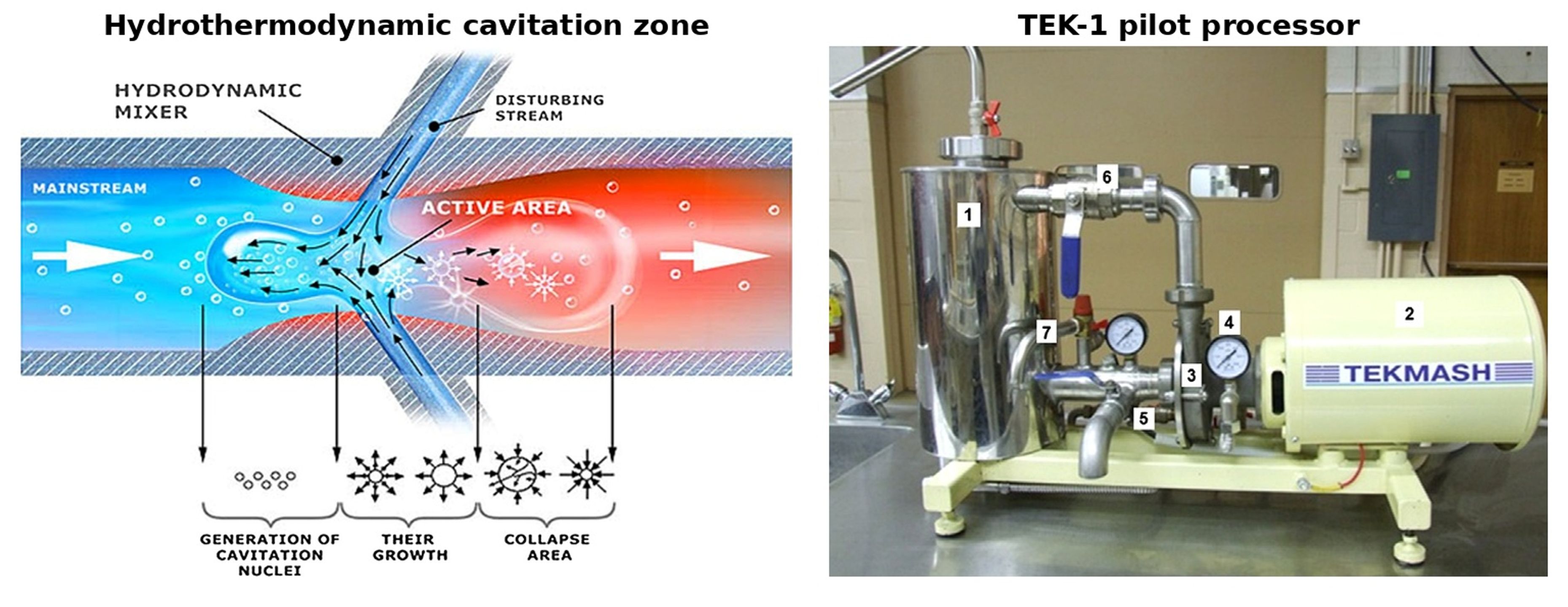
Figure 4.1. Hydrothermodynamic cavitation principle and TEK 1 pilot processor used for berry puree processing. [64].
Apple juice experiments at modest pressure reported a reduction in mean particle scale from approximately 8.9 µm to 1.1 µm, sedimentation near 7% compared with 10% for a thermal treatment and 39% for untreated juice, approximately 13% polyphenol oxidase inactivation, and a 0.9 log microbial reduction at the selected 15 psi condition [22]. These results demonstrate excellent physical stabilization but insufficient standalone lethality for many commercial shelf stable applications.
Orange juice treatment at 4 bar and temperatures near 42 °C improved viscosity and physical stability, but only about 34.7% of pectin methylesterase was inactivated. Vitamin C and phenolics declined at long treatment times, making the optimum treatment much shorter than the maximum tested 90 min [21]. Tomato juice studies similarly reported an optimized short treatment near 10 psi and 10 min, with storage life improvement under refrigeration but limited log reduction [23].
A new study of surplus fruit and vegetable purees reported higher vitamin C and antioxidant retention after hydrodynamic cavitation than after conventional thermal treatment. Purple carrot puree retained 6.8 ± 0.6 mg vitamin C per 100 g compared with 0.6 ± 0.0 mg/100 g after thermal processing, and FRAP values reached 2580 ± 126 µmol Trolox equivalents per 100 g. The cavitated products were, however, more granular and fibrous, illustrating the need to optimize sensory texture as well as nutrient retention [24].
Physical stabilization, enzyme reduction, or a sublethal microbial response is not equivalent to a validated commercial pathogen control. Under the United States Juice HACCP regulation, the process must achieve at least a 5 log reduction of the pertinent microorganism, meaning the most resistant microorganism of public health significance likely to occur in the juice. The complete treatment must be validated for the specific juice and process by an appropriate process authority [60].
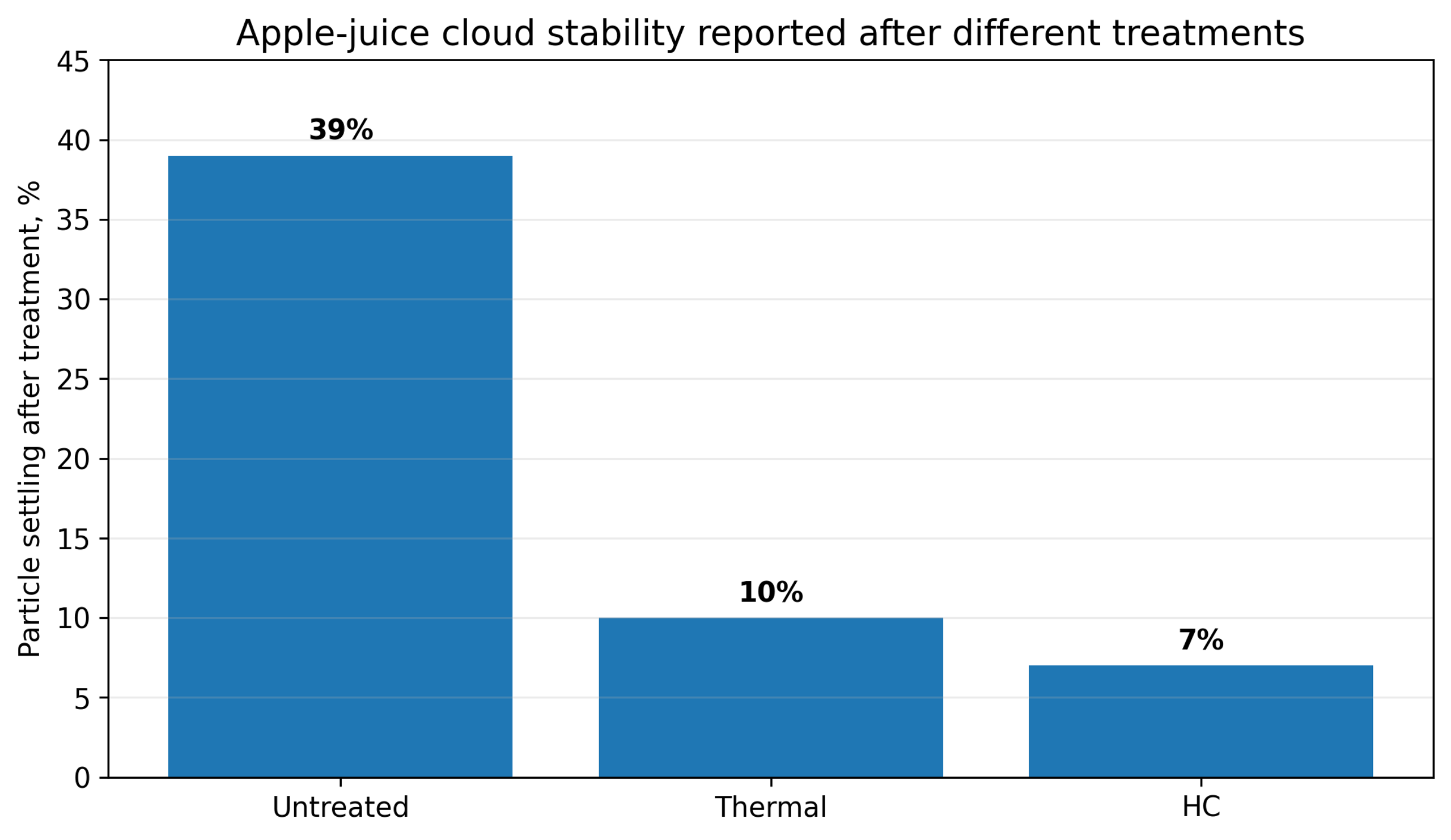
Figure 4.2. Reported particle settling after untreated, thermally processed, and hydrodynamic cavitation treated apple juice. [22].
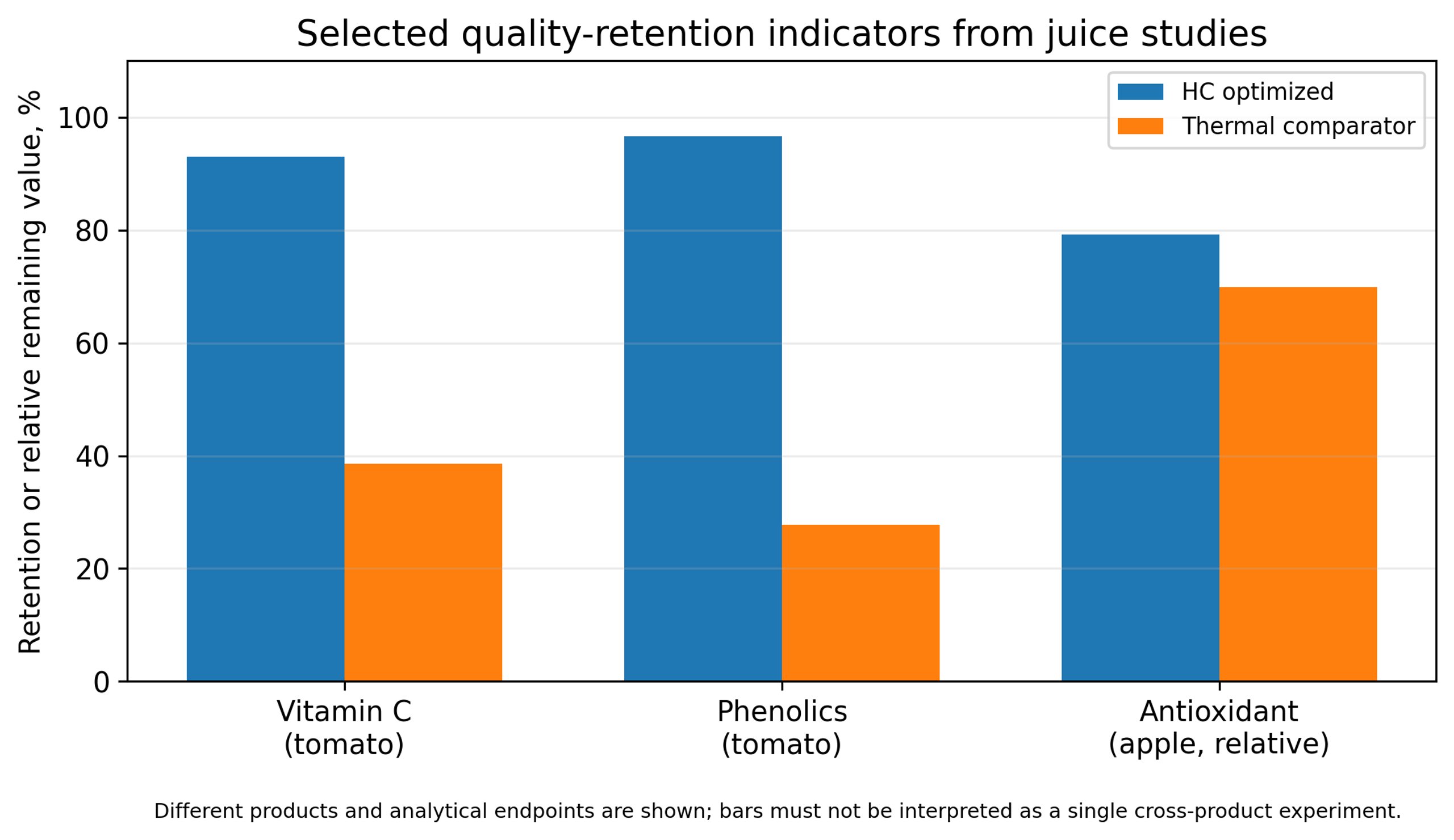
Figure 4.3. Selected quality retention indicators reported for cavitation treated juice systems. [21,24].
The sedimentation velocity () is calculated using Equation (4.1) (Stokes' Law):
where is the Stokes settling or creaming velocity, and are dispersed particle and continuous phase densities, d is particle or droplet diameter, and μ is continuous phase viscosity. Reducing d strongly suppresses separation because velocity scales with d².
To characterize the flow behavior of complex fluid systems, the relationship between shear stress () and shear rate () is frequently modeled using the Ostwald de Waele (power law) equation:
where τ is shear stress, K is the consistency coefficient, γ̇ is shear rate, and n is the flow behavior index. Many juice, dairy, and sauce systems are shear thinning with n < 1.
For systems exhibiting solid like behavior under low loads, the Herschel-Bulkley model incorporates a yield stress term:
where is yield stress in the Herschel Bulkley model. The presence of a finite yield stress can effectively support suspended pulp particles or dispersed droplets against gravitational separation; however, high yield stresses can simultaneously complicate fluid handling by increasing pumping energy requirements and impairing thermal transfer efficiency.
Table 4.1. Selected hydrodynamic cavitation studies on juice and puree processing.
| Product and source | Device and condition | Main reported responses | Limitation or design implication |
|---|---|---|---|
| Whole blueberry [18] | 5.5 L batch loop; central turbulent mixer; heated to 95 °C | 13% solids; 1.45-2.76 Pa s; <10 CFU/g; stable suspension | Thermal cavitation process, not nonthermal; batch energy and oxidation must be balanced |
| Orange juice [21] | 4 bar; up to 90 min; about 42 °C | Physical modification; only 34.7% PME inactivation; quality loss at long time | Short optimum; enzyme inactivation may require a hurdle or thermal step |
| Apple juice [22] | Low pressure HC; selected 15 psi condition | Particle size about 8.9 to 1.1 µm; 7% settling; 0.9 log reduction | Excellent cloud stabilization but limited standalone lethality |
| Tomato juice [23] | Optimized short low pressure treatment | Improved refrigerated stability and quality retention | Product and refrigeration dependent |
| Mixed fruit and vegetable purees [24] | Nonthermal HC compared with thermal treatment | Higher vitamin C, polyphenols, and antioxidant activity | Grumosity and fibrosity reduced sensory acceptance |
4.2 Milk, dairy beverages, powders, and fermented dairy products
Milk is a sensitive oil in water emulsion containing fat globules, casein micelles, whey proteins, lactose, salts, enzymes, and microorganisms. Conventional homogenization uses high pressure to reduce fat globule size, while pasteurization provides microbial control. Hydrodynamic cavitation can combine partial homogenization and heating, but the relative contributions of mechanical collapse and temperature must be separated experimentally [25-27].
In a fresh milk loop study, hydrodynamic cavitation at 6 bar in a carbon dioxide atmosphere for 30 min produced up to 88% microbial inactivation and rapid homogenization. The authors attributed part of the effect to breakup of microbial aggregates and improved carbon dioxide transfer [25]. Because 88% reduction is less than 1 log, this result is process intensification evidence rather than complete pasteurization validation.
A later raw milk study evaluated outlet temperatures of 40, 50, 60, and 72 °C. Mean fat globule size decreased from approximately 3.29 to 1.40 µm as treatment severity increased, while whey protein denaturation and acid gel behavior changed little. Total bacterial count fell by more than 1 log, but comparison with matched heat treatments indicated that most lethality was attributable to temperature [26]. This finding is important because it shows that useful simultaneous heating and homogenization can occur without claiming a purely nonthermal mechanism.
Orifice plate experiments with inoculated milk compared single- and multi hole plates at 3, 5, and 7 bar for 5-40 min. A five hole, 2 mm plate produced the highest reported reductions, approximately 3.5 log for Escherichia coli and 2.83 log for Staphylococcus aureus, within cavitation numbers of about 0.21-0.66 [27]. The different response of Gram negative and Gram positive organisms reinforces the need for target specific validation.
For Grade A milk and milk products in the United States, hydrodynamic cavitation must be integrated into a process that satisfies the current Grade A Pasteurized Milk Ordinance and the acceptance requirements of the responsible regulatory authority. Research log reduction or an outlet temperature by itself does not establish legal pasteurization. Flow diversion, minimum holding, temperature recording, equipment acceptance, sanitary construction, and post process protection remain part of the validated system [61].
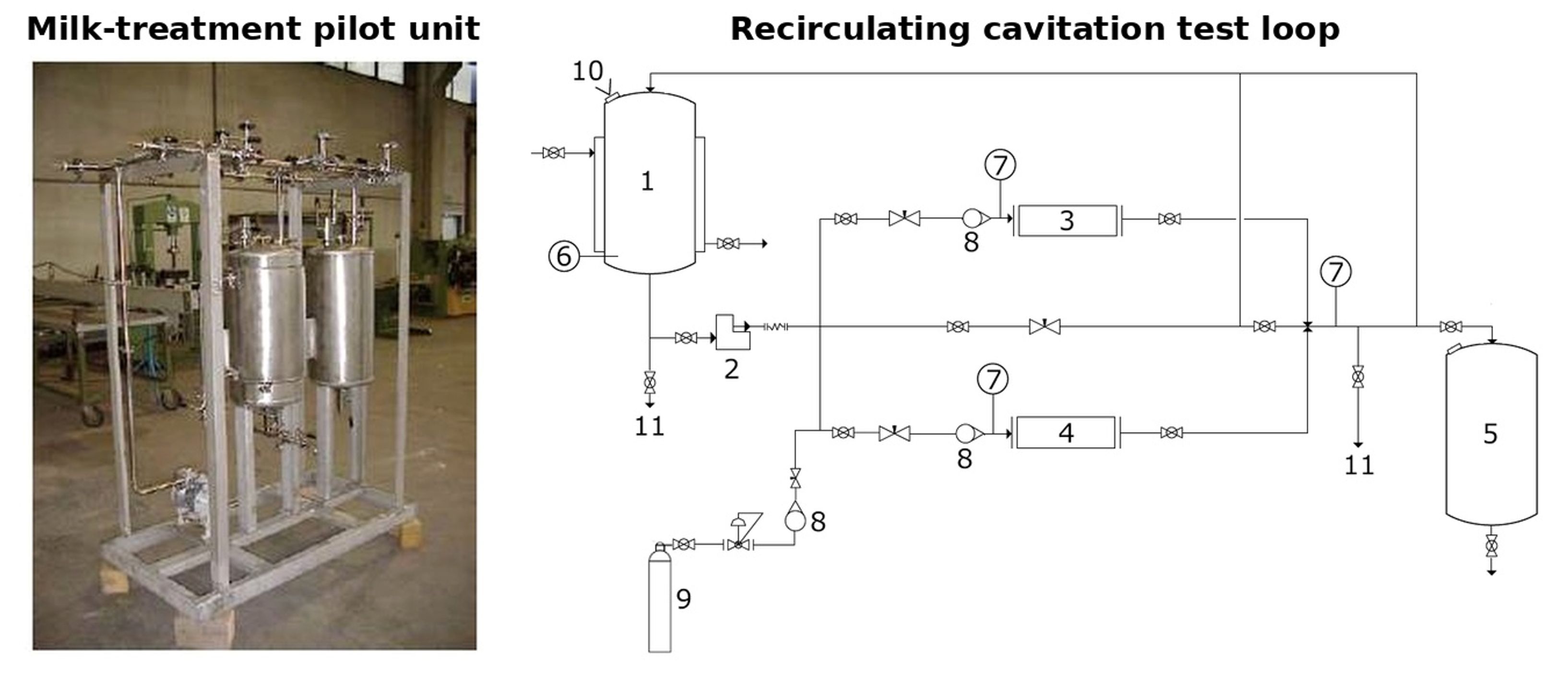
Figure 4.4. Fresh milk cavitation pilot unit and recirculating process schematic with gas injection. [25].
Dairy protein processing exploits a different response: controlled disaggregation and unfolding. Shreyas et al. treated milk protein concentrate at 6 MPa for up to 30 min. Mean particle size decreased from 4.82 to 1.35 µm, and protein solubility increased from 88.2% to 98.8%. Emulsifying and foaming properties improved, while SDS PAGE showed no new low molecular weight bands, indicating conformational modification rather than extensive peptide bond cleavage [28]. The best functional response occurred at intermediate combinations of pressure and time; prolonged or excessive treatment reduced some foaming metrics.
For high solids MPC80, rotor cavitation reduced viscosity by approximately 20% at 25 Hz and 56% at 50 Hz, enabling higher solids before spray drying while maintaining average powder solubility near 97.5% after reconstitution [29]. A semi industrial rehydration study at 20% dry matter and 50 °C reported D90 of 0.45 µm and D[3,4] of 0.19 µm after cavitation, compared with 21.17 and 5.62 µm, respectively, after conventional high shear mixing [30]. These data show that wetting, immersion, dissolution, and deagglomeration can occur in one inline step.
Post fermentation rotor cavitation has also been used to smooth formulated Greek style yogurt. Increasing rotor speed from 0 to 60 Hz reduced the consistency coefficient and the number of visible grains, while retaining water holding capacity [31]. This is a product structuring operation rather than a microbial treatment and must be applied after considering starter culture viability and post process contamination control.
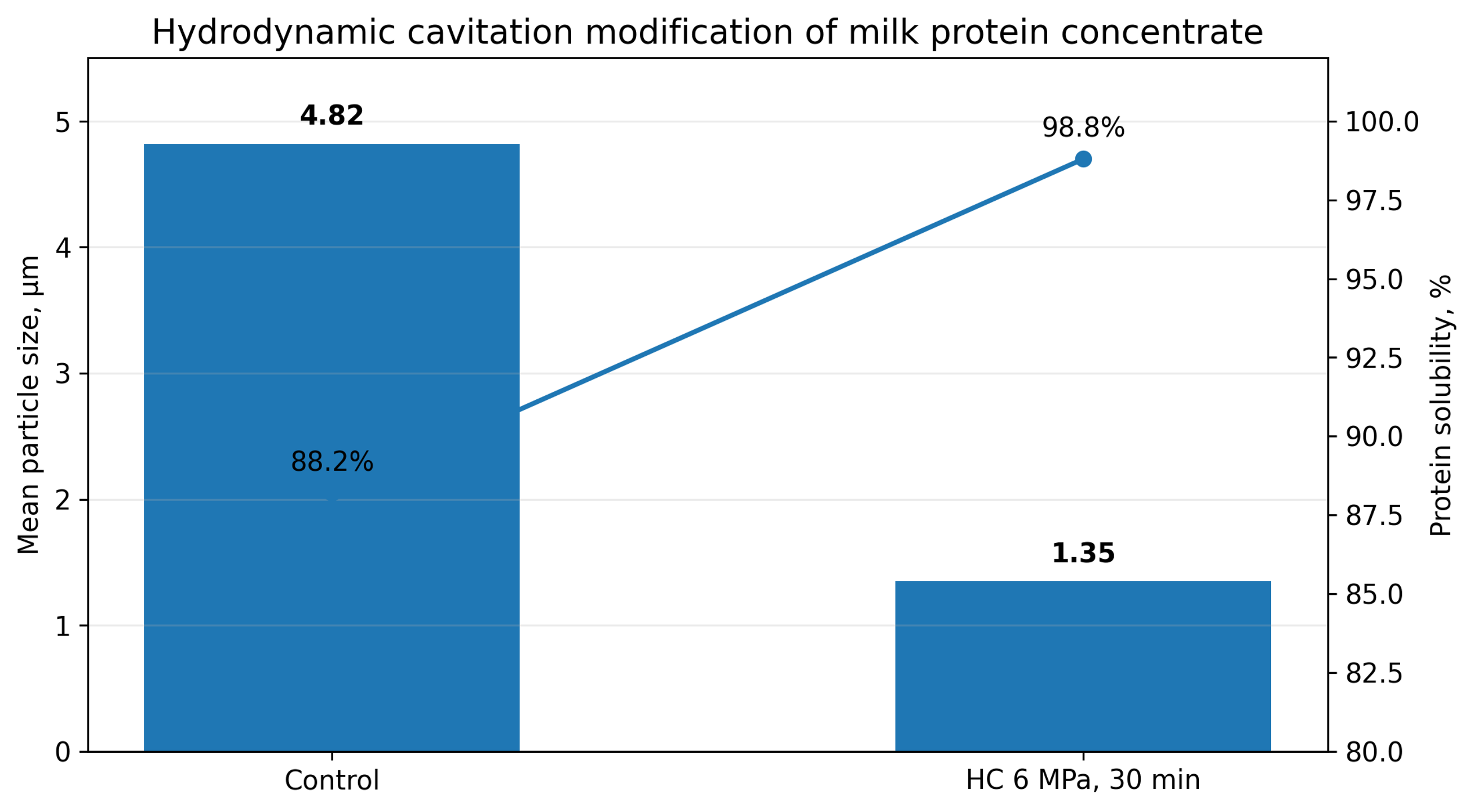
Figure 4.5. Particle size reduction and protein solubility increase reported for milk protein concentrate treated by hydrodynamic cavitation at 6 MPa. [28].
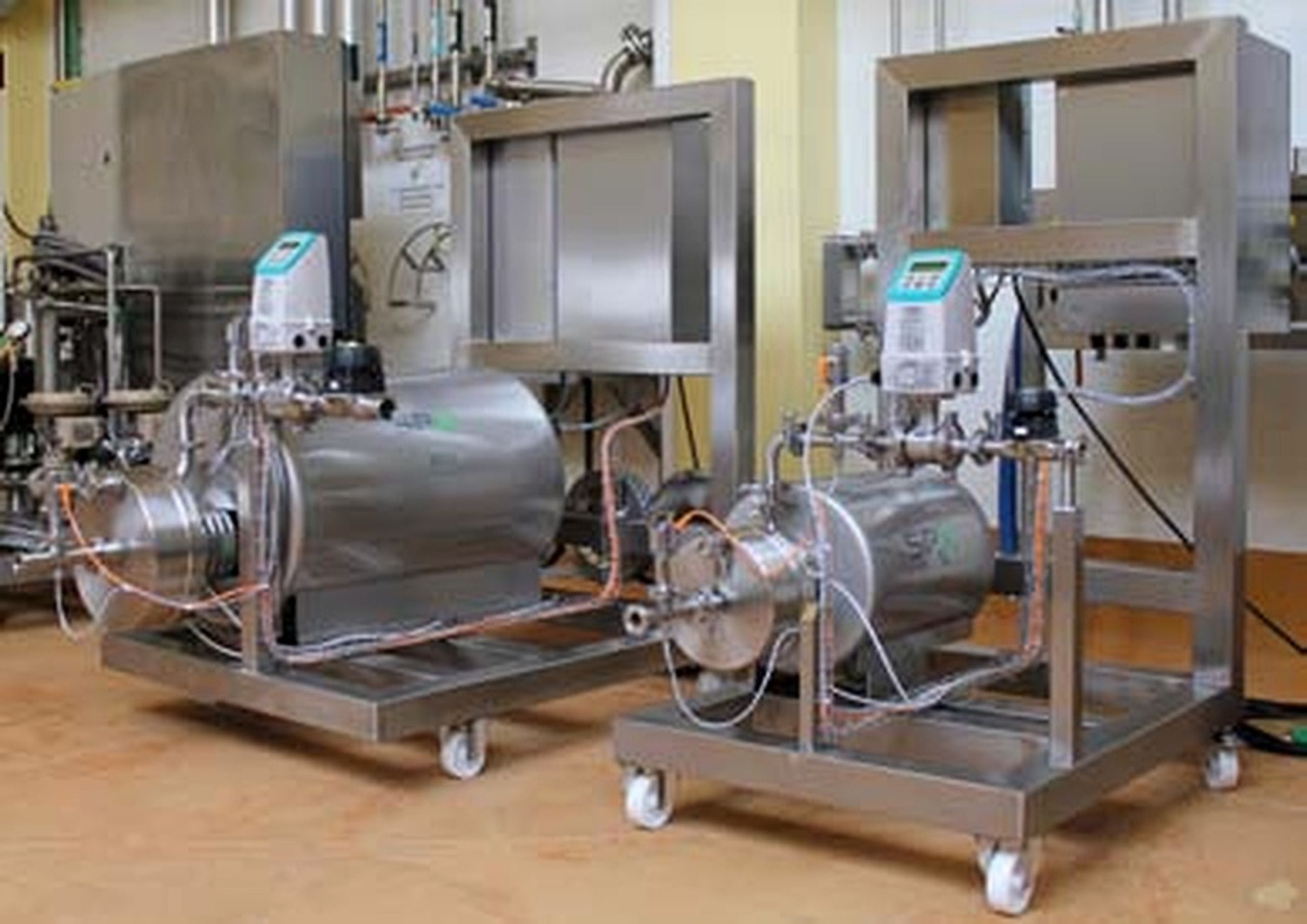
Figure 4.6. Commercial pilot rotor cavitator skids are used for dairy product development. [33].
Table 4.2. Representative milk and dairy applications.
| Application | Condition or equipment | Reported response | Evidence interpretation |
|---|---|---|---|
| Fresh milk [25] | Loop HC, 6 bar, CO2, 30 min | Up to 88% microbial inactivation; rapid homogenization | Mild disinfection and gas transfer evidence; not full pasteurization |
| Raw milk [26] | Rotor HC with outlet 40-72 °C | Fat globules 3.29-1.40 µm; >1 log count reduction mainly thermal | Combined heating and homogenization with limited whey protein damage |
| Inoculated milk [27] | Multi hole orifices; 3-7 bar; 5-40 min | Up to 3.5 log E. coli and 2.83 log S. aureus reduction | Geometry and organism strongly affect response |
| Milk protein concentrate [28] | 6 MPa; 0-30 min | 4.82 to 1.35 µm; solubility 88.2% to 98.8% | Controlled disaggregation and unfolding; overprocessing possible |
| High solids MPC80 [29] | Rotor at 25 and 50 Hz | Viscosity reduced 20% and 56%; powder solubility about 97.5% | Potential evaporator and spray dryer capacity increase |
| MPC80 rehydration [30] | 20% DM, 50 °C, semi industrial in line HC | D90 0.45 µm versus 21.17 µm conventional | Strong powder hydration and deagglomeration evidence |
| Greek style yogurt [31] | Post fermentation rotor treatment, 0-60 Hz | Lower consistency coefficient and fewer grains | Texture finishing operation; culture viability and contamination must be controlled |