
Technical publication
Back to publications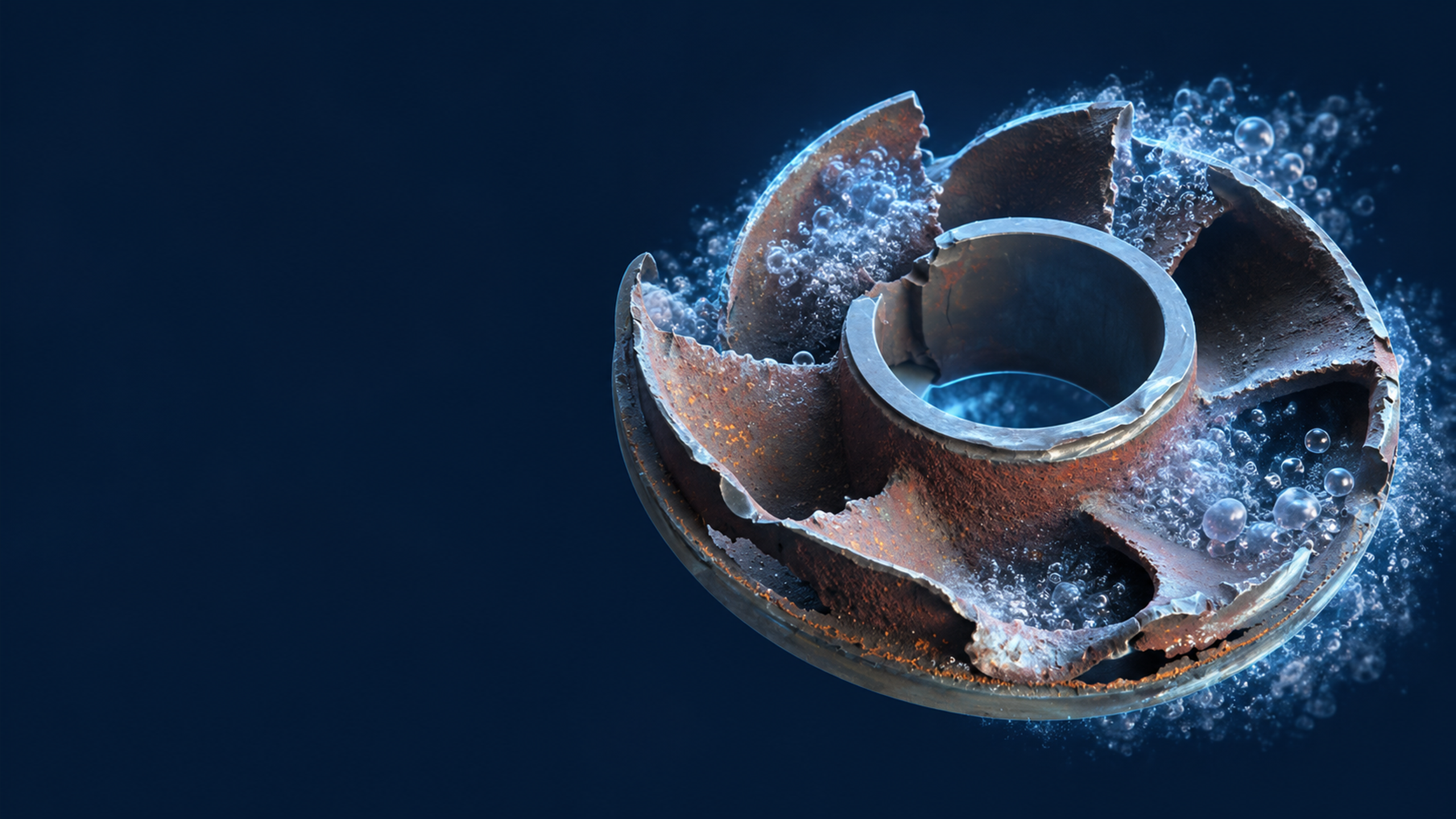
Reactors & equipment
Cavitation in Hydraulic Machinery, Valves, Piping, and Marine Systems
okozyuk.com
Published
Read complete publication for whole-document Find and printing. Browser Find and native printing on this reader include only loaded content.
7 Conclusions
Cavitation control requires identification of both the vapor formation region and the subsequent collapse region. Across pumps, valves, piping restrictions, marine propulsors, hydrofoils, and turbines, the governing variables are the local pressure minimum, vapor pressure, velocity field, pressure recovery, operating point, and exposure of nearby surfaces. NPSH margins, cavitation indices, model tests, and performance trends provide useful quantitative indicators, but none should be applied without the definition and operating context from which it was derived. Effective mitigation therefore combines hydraulic design, operating envelope control, geometry, material selection, maintenance, and post modification verification. Where cavitation cannot be eliminated, engineering effort should focus on reducing cavity growth, controlling collapse location and intensity, and protecting components that remain exposed.